Can Windows 11 install without TPM?
Important: An image install of Windows 11 will not check for the following requirements: TPM 2.0 (at least TPM 1.2 is required) and CPU…
 Author
Important: An image install of Windows 11 will not check for the following requirements: TPM 2.0 (at least TPM 1.2 is required) and CPU…
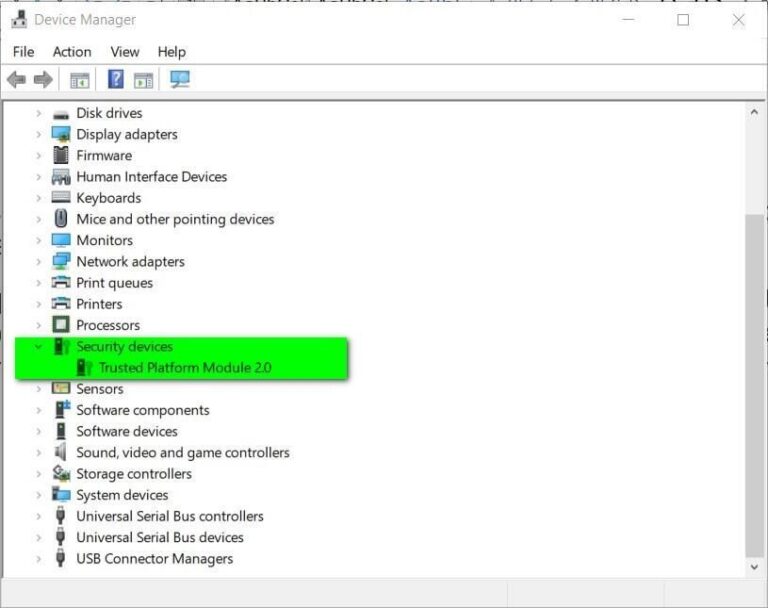
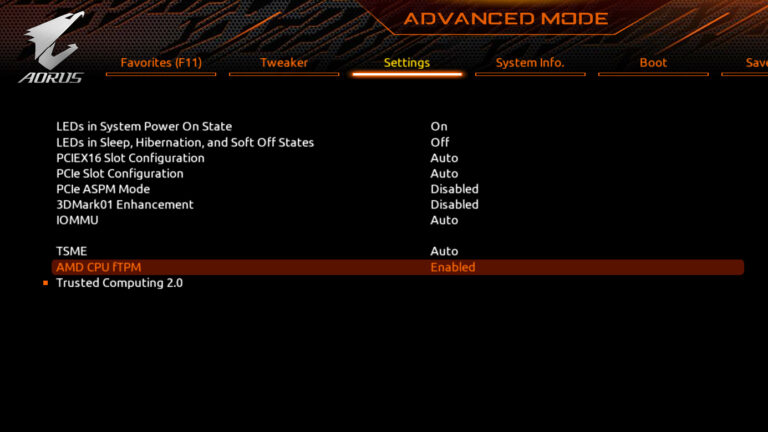
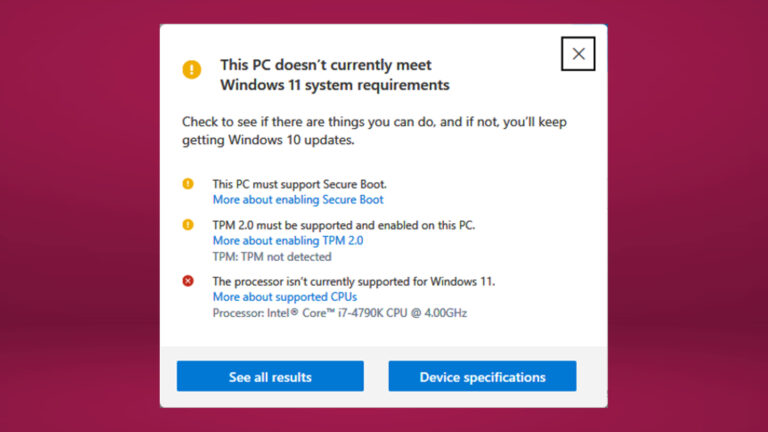
According to Microsoft, TPM 2.0 and Secure Boot are needed to provide a better security environment and prevent (or at least minimize) sophisticated attacks,…
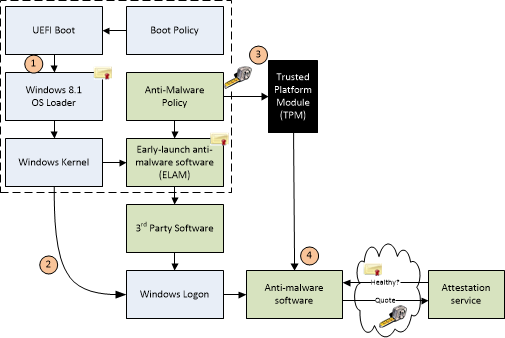
When a system boots successfully with TPM enabled, the system is generally regarded as trusted. After boot, TPM supports additional security features such as…
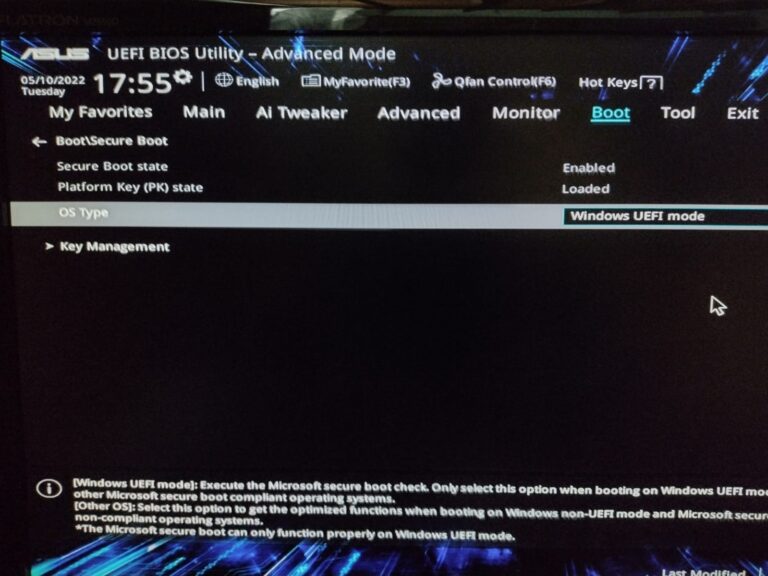
Secure Boot is an important security feature designed to prevent malicious software from loading when your PC starts up (boots). Most modern PCs are…
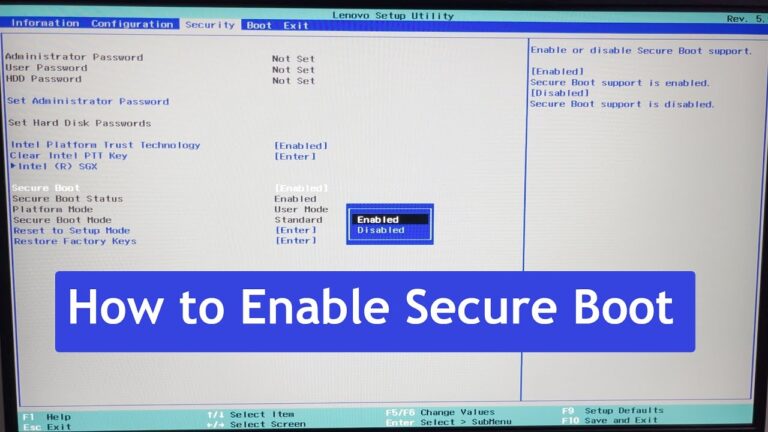
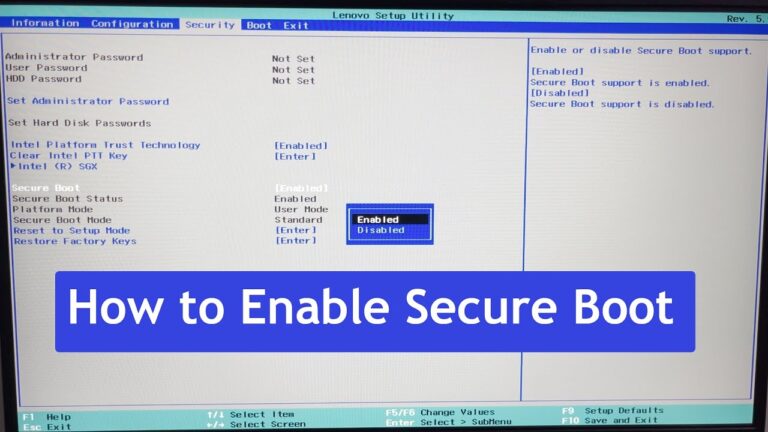
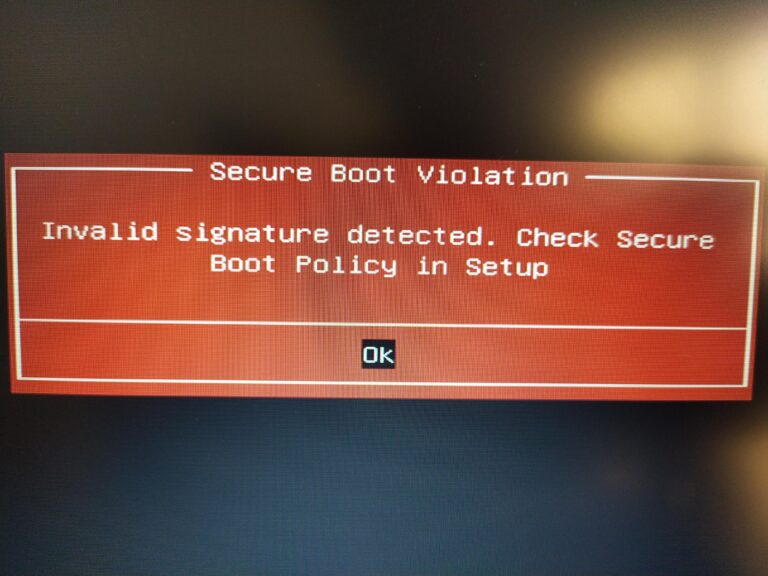
Secure Boot must be enabled before an operating system is installed. If an operating system was installed while Secure Boot was disabled, it will…
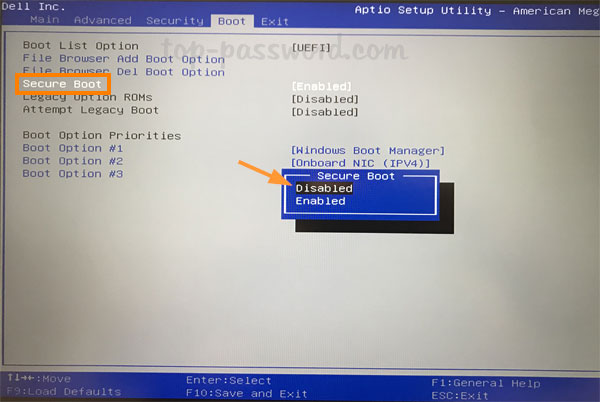
Disabling Secure Boot unlocks some advanced capabilities on Windows PCs. Only Secure Boot-disabled computers can install Linux, boot from non-trusted devices, and use certain…
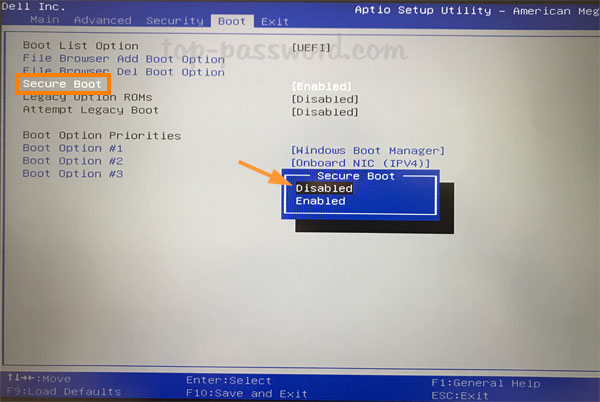
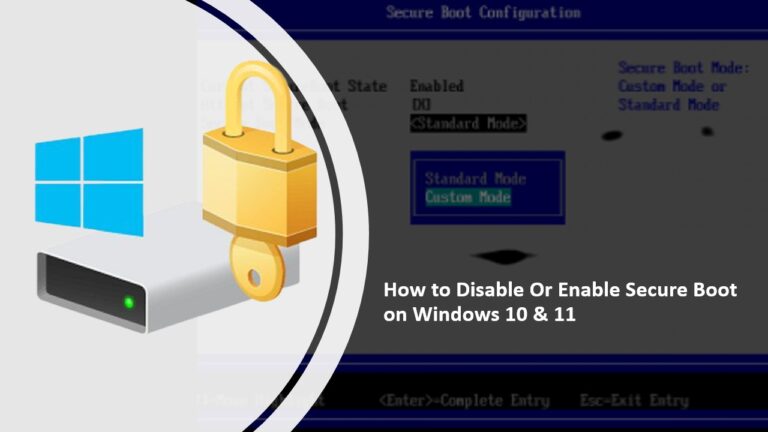
Yes, you can disable TPM and Secure Boot after installing Windows 11. You will have to go into UEFI and turn Secure Boot and…
Generally, disabling TPM and Secure Boot on Windows 11 will not do you any harm in day-to-day tasks. However, if you had Bitlocker enabled,…
It doesn’t actually prevent such tampering itself. The purpose of Secure Boot is to prevent malicious boot code from compromising your computer invisibly –…
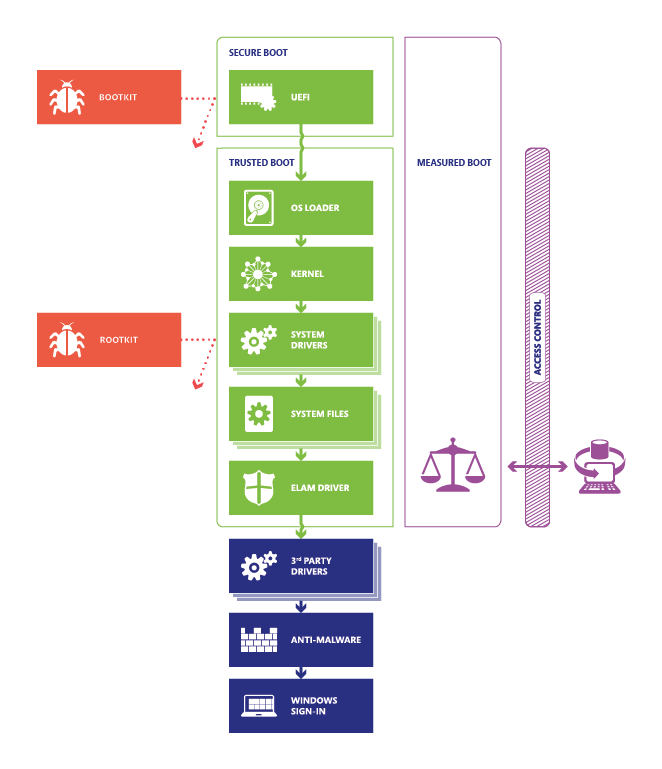
Why configure Secure Boot? This type of hardware restriction protects the operating system from rootkits and other attacks that may not be detected by…
Why configure Secure Boot? This type of hardware restriction protects the operating system from rootkits and other attacks that may not be detected by…
If you’re running certain PC graphics cards, hardware, or operating systems such as Linux or previous version of Windows you may need to disable…