How often are DNS records updated?
When a DNS client creates a record, it is assigned a timestamp. The DNS client attempts to refresh this record every 24 hours. Unless…
When a DNS client creates a record, it is assigned a timestamp. The DNS client attempts to refresh this record every 24 hours. Unless…
Can SSD data be recovered? Yes, SSD data can be recovered—even from SSDs that have the TRIM command enabled, in many cases. The key…
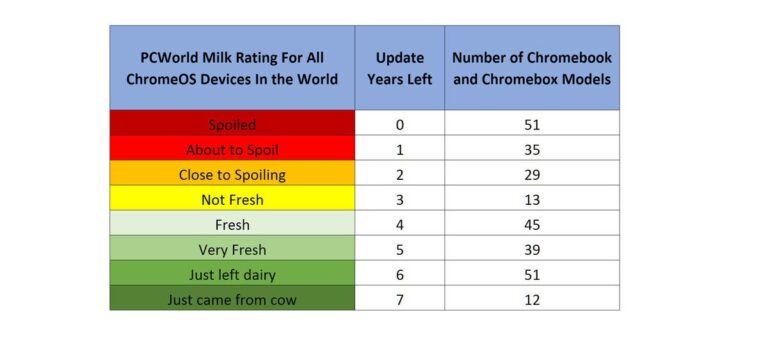
Generally speaking, the lifespan of most Chromebooks is between five and eight years. A Chromebook will receive a full Chrome OS update about every…
The typical cost range is around $30–$60 for a single BIOS chip. Performing a flash upgrade—With newer systems that have a flash-upgradeable BIOS, the…
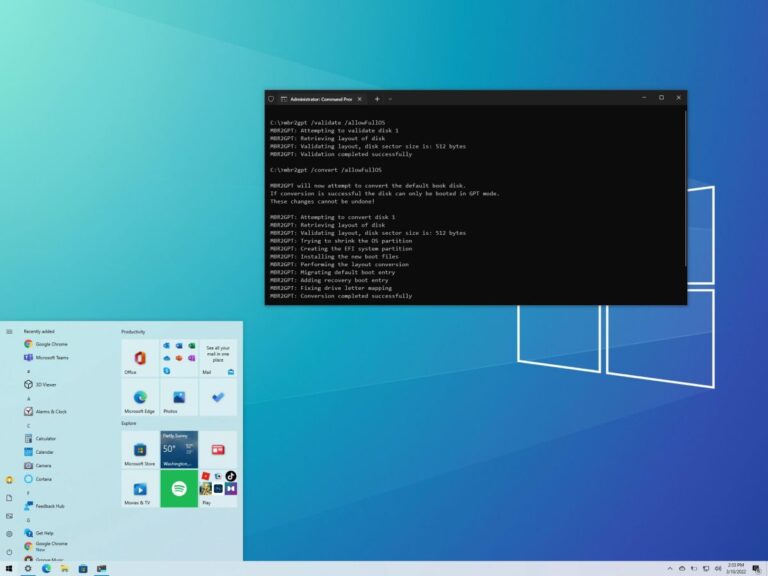
Convert from BIOS to UEFI during in-place upgrade Windows includes a simple conversion tool, MBR2GPT. It automates the process to repartition the hard disk…
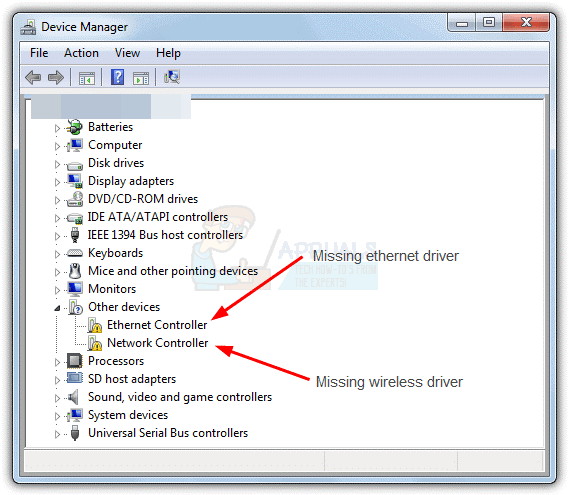
Right-click the wireless adapter and select Properties. Click the Driver tab to see the wireless adapter property sheet. The Wi-Fi driver version number is…
Generally speaking, the lifespan of most Chromebooks is between five and eight years. A Chromebook will receive a full Chrome OS update about every…
CSM is a feature within UEFI that enables legacy BIOS support. UEFI and BIOS are used interchangeably nowadays, but your motherboard most likely uses…
Network security is a set of technologies that protects the usability and integrity of a company’s infrastructure by preventing the entry or proliferation within…
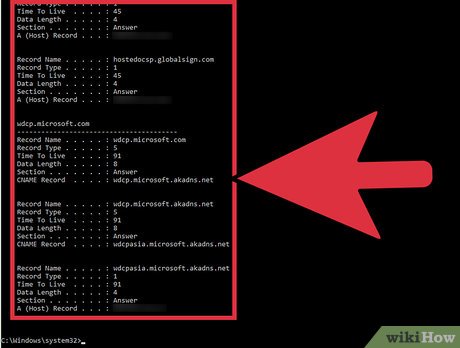
To display the contents of the DNS resolver cache: Type ipconfig /displaydns and press Enter. Observe the contents of the DNS resolver cache. It…