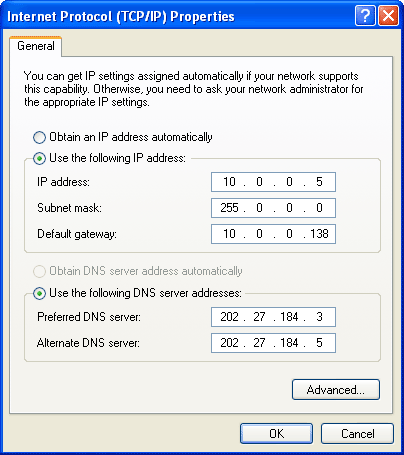
What is the DNS setting?
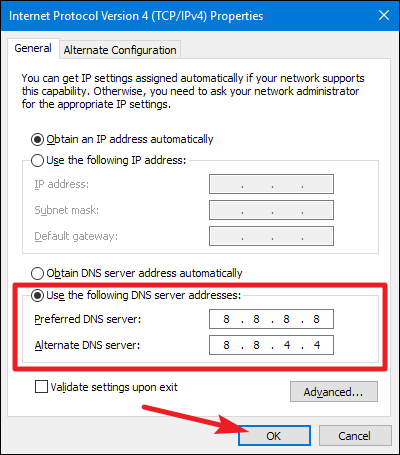
The DNS (Domain Name System) server settings on your laptop, phone, or router are your gateway to the web. They convert easy-to-remember domain names…
The DNS (Domain Name System) server settings on your laptop, phone, or router are your gateway to the web. They convert easy-to-remember domain names…
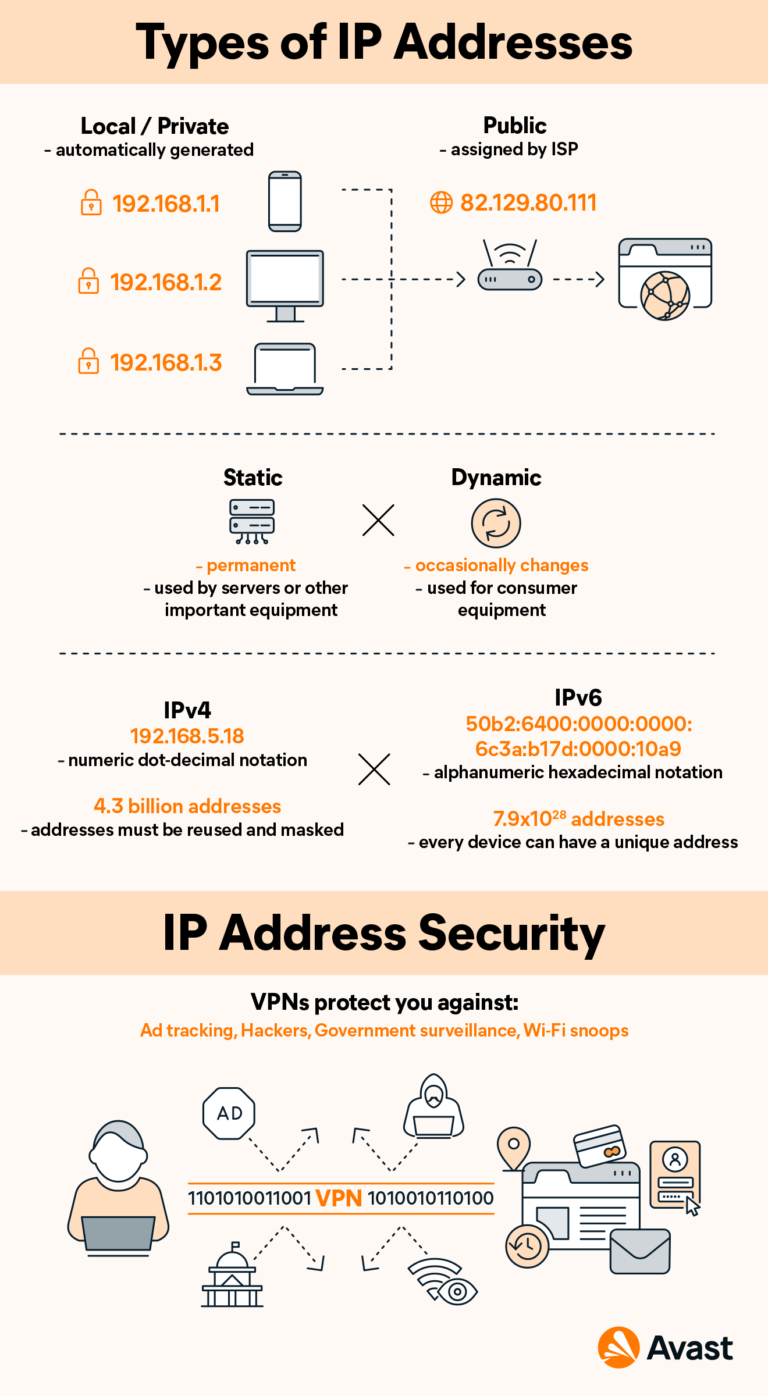
The IP address uniquely identifies every device on the internet; without one, there’s no way to contact them. IP addresses allow computing devices (such…
Is an IP address the same as a URL or web address? No. An IP address is a unique number assigned to each device…
All of the new Intel and AMD motherboards come with support for UEFI. If your model is more than 3 years old it might…
NVMe Wins Performance; SATA Wins Economy It is more economical and quite reliable. And for some teams, it’s probably enough. NVMe provides extraordinary storage…
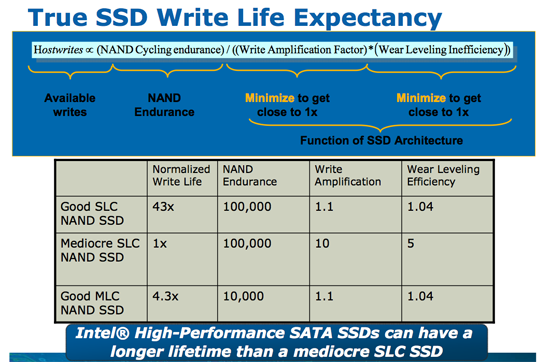
SSDs Have a Long Lifespan Since SSDs don’t have moving parts, they’re very reliable. In fact, most SSDs can last over five years, while…
But, you can’t connect all the SSDs on all the motherboards. This happens because of physical incompatibility. Only the SATA 2.5″ SSDs are compatible…
Google Public DNS complies with Google’s main privacy policy, available at our Privacy Center. Your client IP address is only logged temporarily (erased within…
Dynamic Host Configuration Protocol (DHCP) is a network protocol that is used to configure network devices to communicate on an IP network. A DHCP…
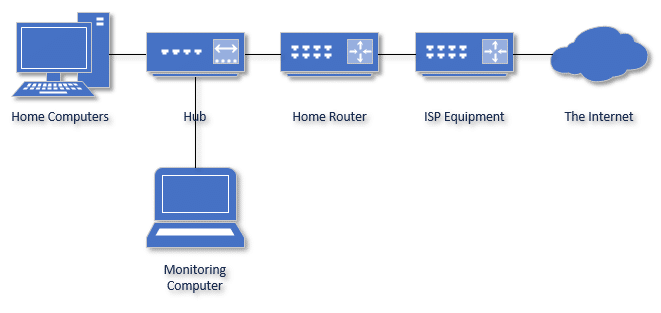
Using your wifi router’s settings online, you can see what IP addresses logged into your network connection and when, and many routers can also…