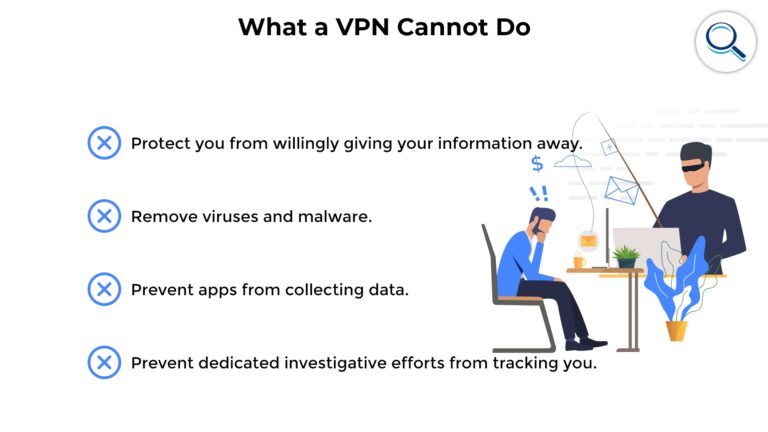
What does a VPN not protect you from?
A VPN helps you stay invisible and behind the scenes, but it doesn’t give you immunity against online risks like malware, ransomware, phishing attacks,…
 Author
A VPN helps you stay invisible and behind the scenes, but it doesn’t give you immunity against online risks like malware, ransomware, phishing attacks,…
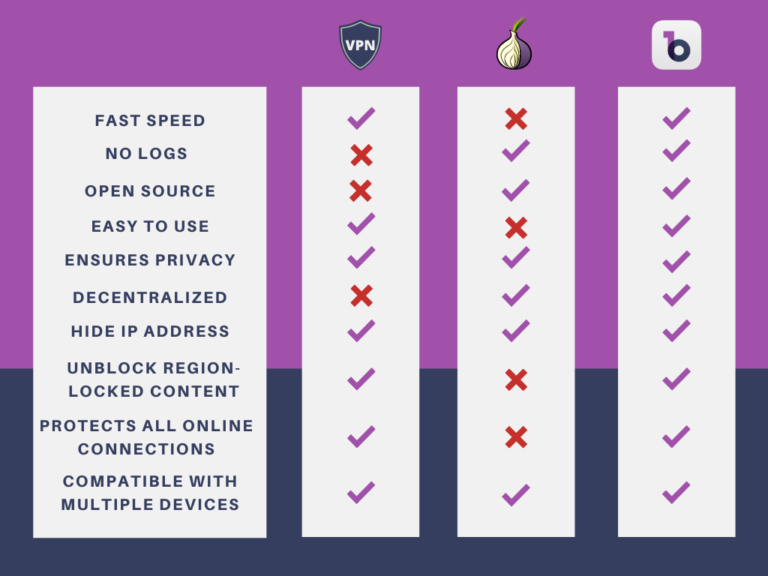
Tor is better than a VPN for the following: Anonymously accessing the web – It’s almost impossible to trace a Tor connection back to…
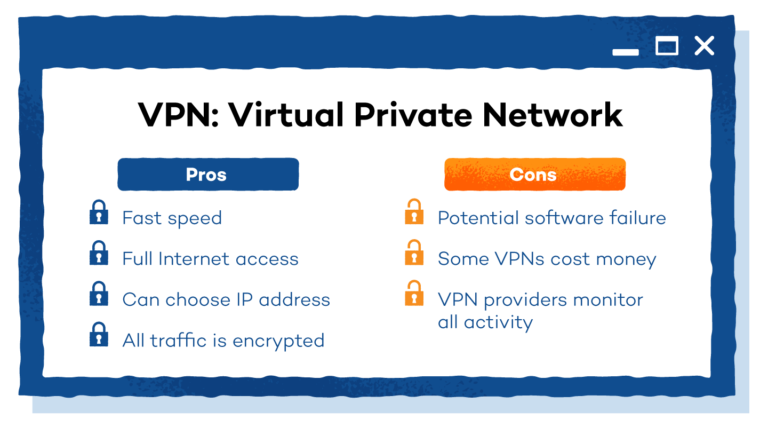
Problems with VPN connection can be caused by firewalls, blocked ports, outdated VPN software, or a malfunctioning router. What causes a VPN to fail?…
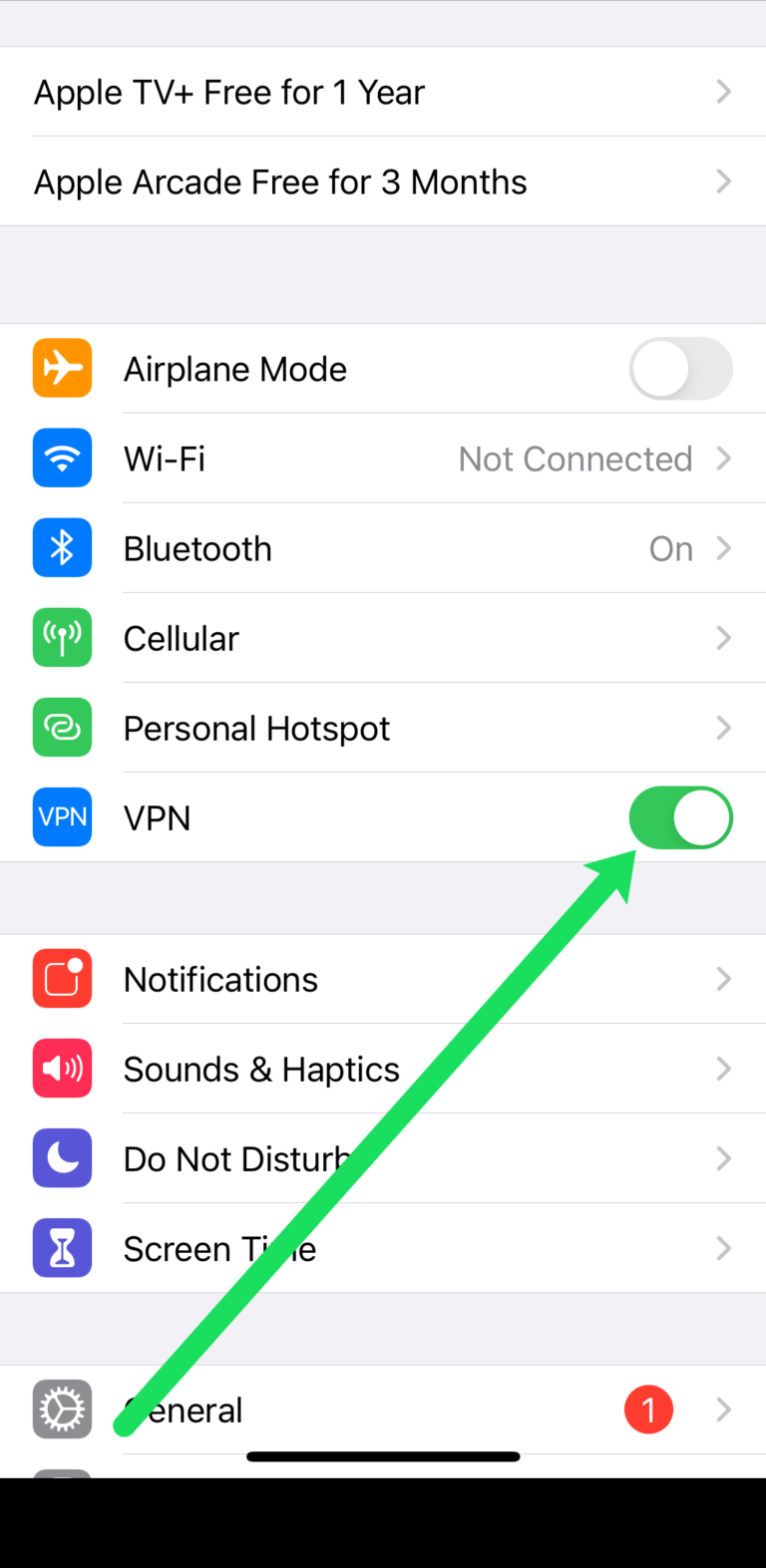
If you’re only using a VPN while streaming your favorite TV shows, then it makes sense to turn your VPN on or off for…
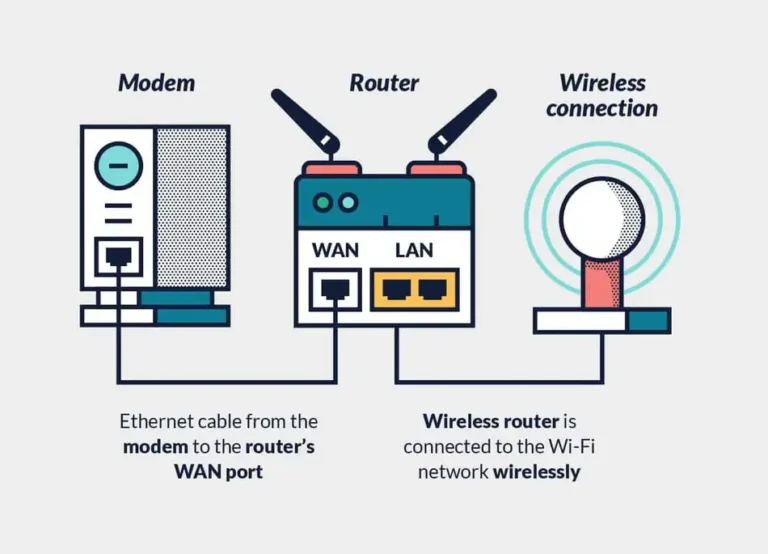
You should also use a VPN router if you have a device that you want to connect to a VPN server alone and never…
Some VPNs are known for draining your battery faster, although this isn’t true for all VPNs. If your VPN is causing your network to…
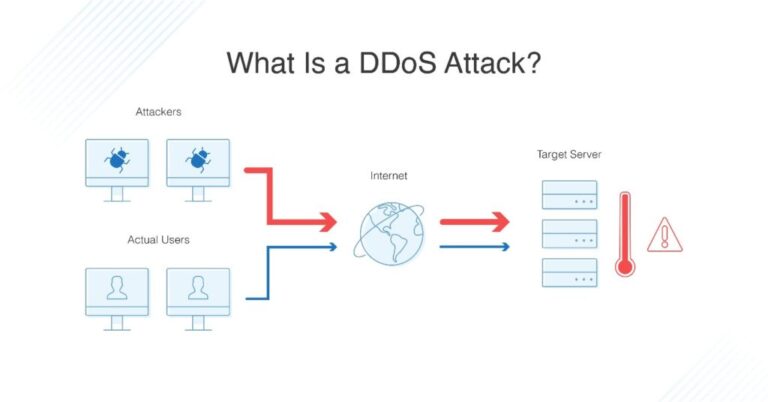
Generally speaking, yes, VPNs can stop DDoS attacks. A primary benefit of a VPN is that it hides IP addresses. With a hidden IP…
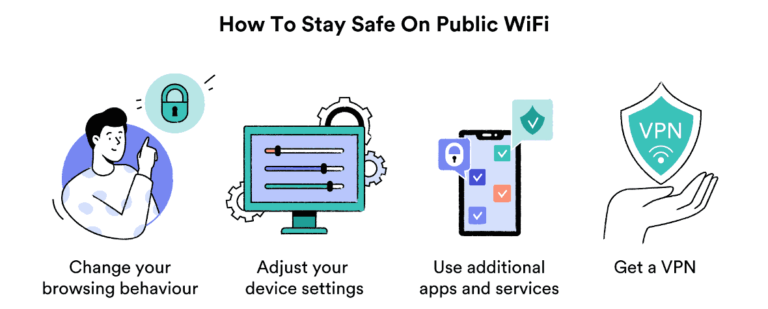
When you use a VPN, your internet traffic gets encrypted, so no one can intercept it via public Wi-Fi. Even though you’re not using…
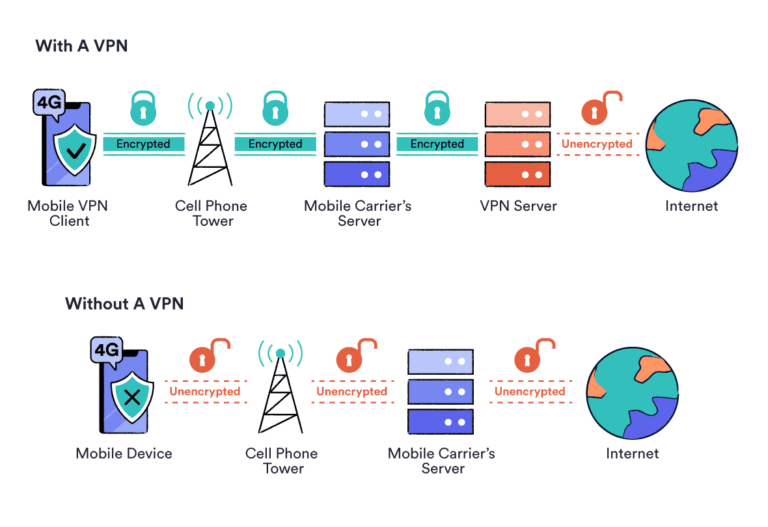
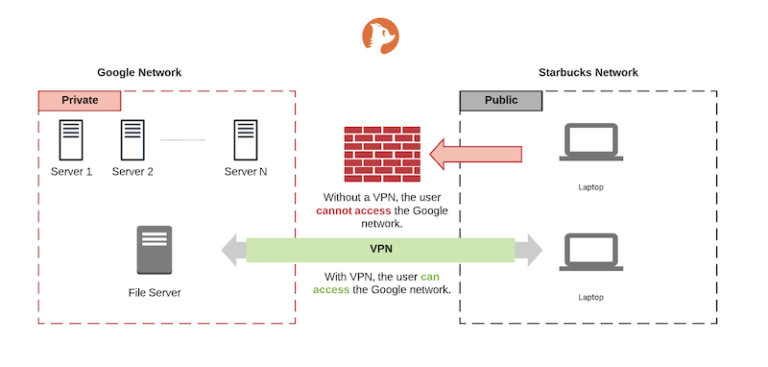
A Virtual Private Network is an unbreakable tunnel between your device and the wider internet. Nobody can intercept your data while it’s in transit,…
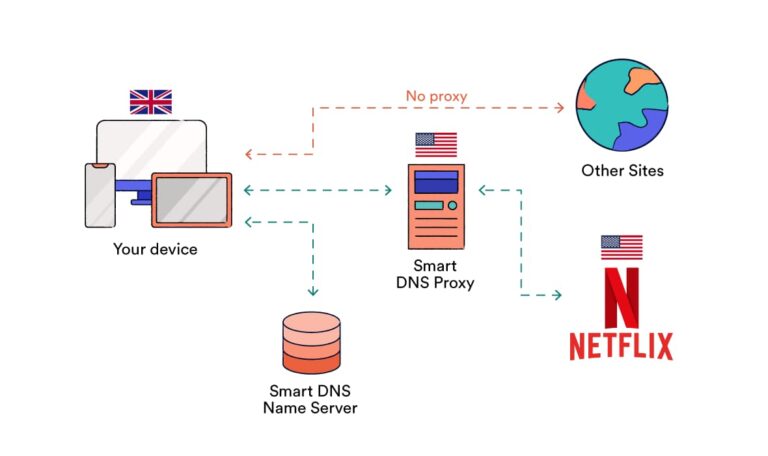
Usually a VPN service first installs a VPN client, and for all future VPN traffic the path is fixed and encrypted – no DNS…
Some do, some don’t. VPN services you buy for privacy purposes commonly will change your DNS (or at least offer to do so.) If…
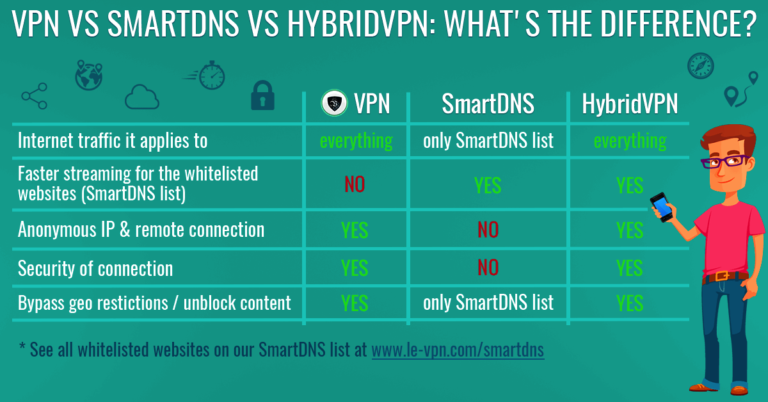
Yes, because a smart DNS only changes your DNS address while a VPN encrypts data traffic, obfuscates it, and spoofs your location by changing…