Does TPM 2.0 require secure boot?
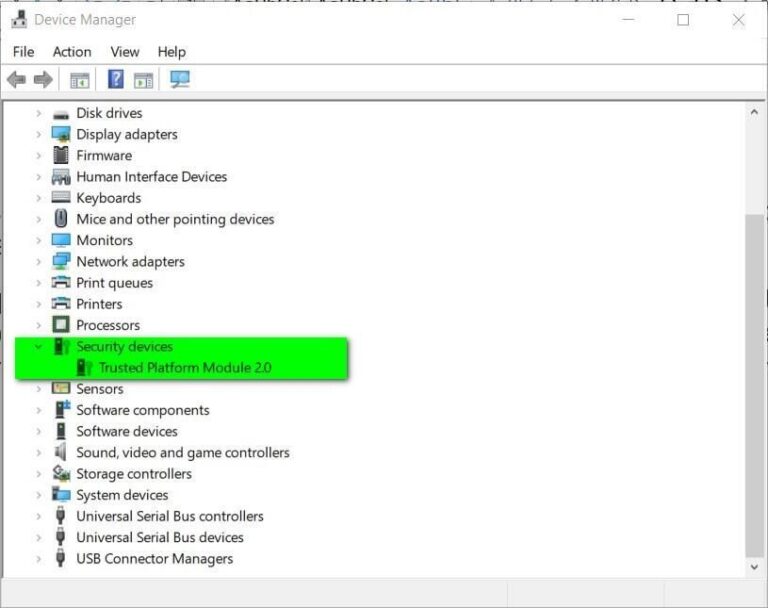
According to Microsoft, TPM 2.0 and Secure Boot are needed to provide a better security environment and prevent (or at least minimize) sophisticated attacks,…
According to Microsoft, TPM 2.0 and Secure Boot are needed to provide a better security environment and prevent (or at least minimize) sophisticated attacks,…
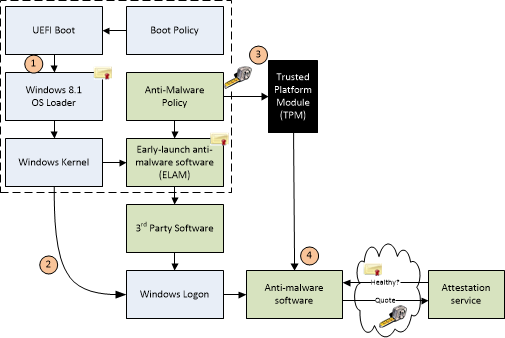
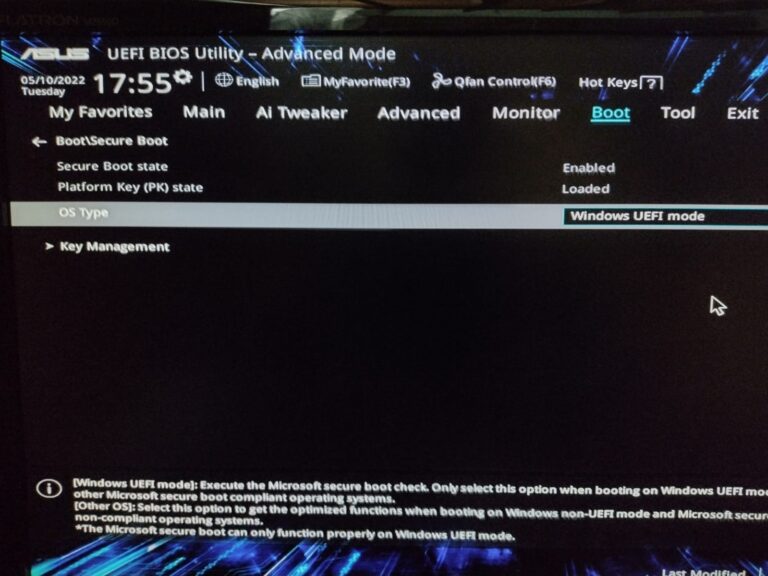
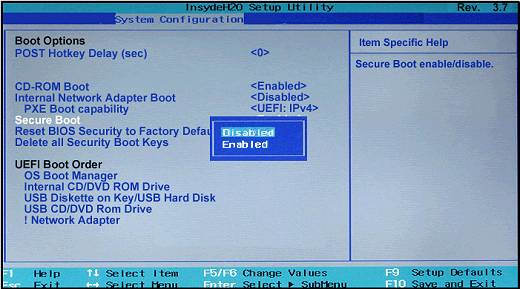
Secure Boot is an important security feature designed to prevent malicious software from loading when your PC starts up (boots). Most modern PCs are…
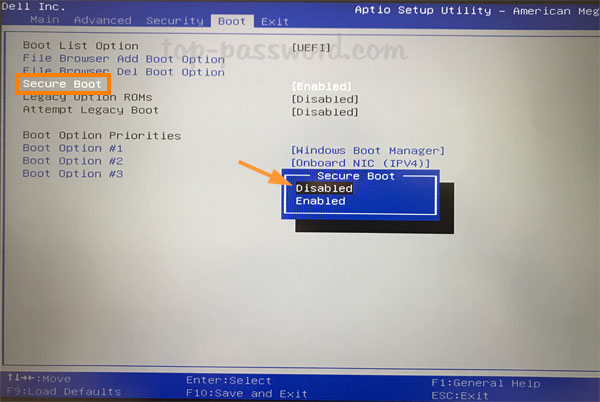
Secure Boot must be enabled before an operating system is installed. If an operating system was installed while Secure Boot was disabled, it will…
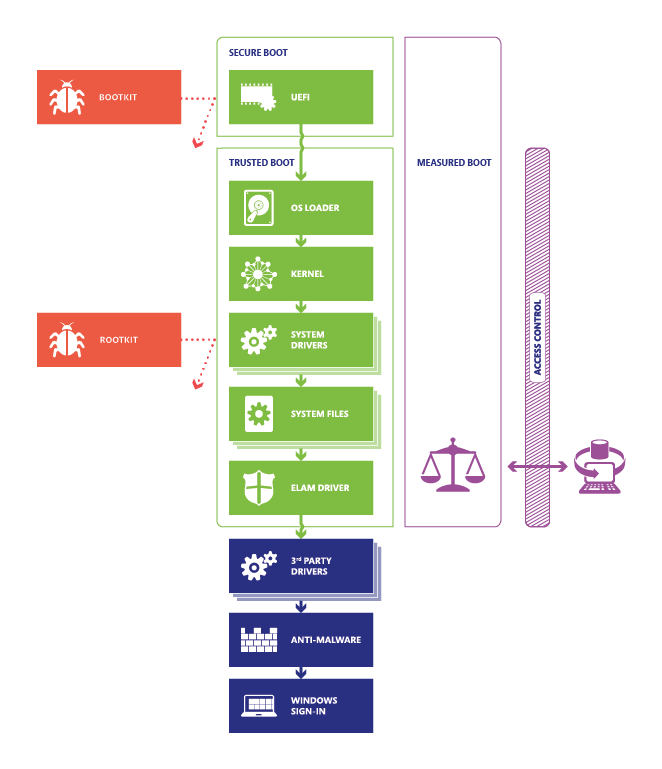
It doesn’t actually prevent such tampering itself. The purpose of Secure Boot is to prevent malicious boot code from compromising your computer invisibly –…
Why configure Secure Boot? This type of hardware restriction protects the operating system from rootkits and other attacks that may not be detected by…
Why configure Secure Boot? This type of hardware restriction protects the operating system from rootkits and other attacks that may not be detected by…
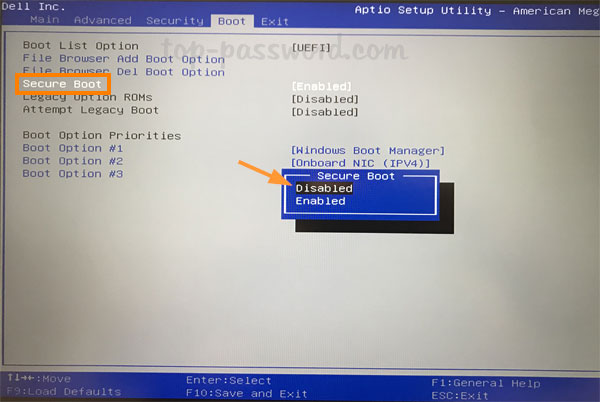
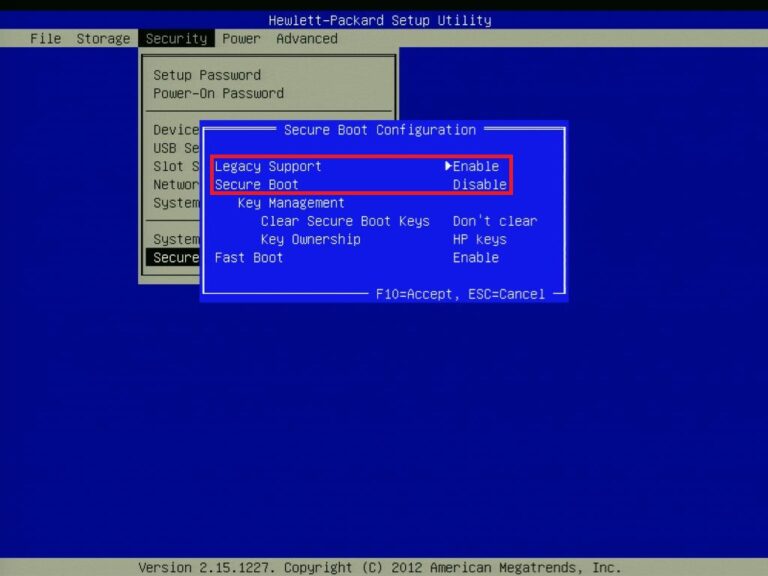
If you’re running certain PC graphics cards, hardware, or operating systems such as Linux or previous version of Windows you may need to disable…
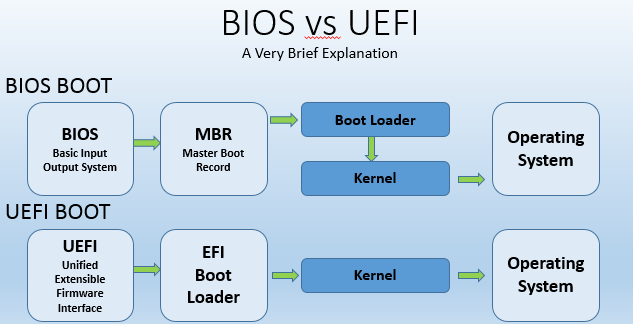
UEFI provides faster boot time. UEFI has discrete driver support, while BIOS has drive support stored in its ROM, so updating BIOS firmware is…
Some users worried about enabling the Secure Boot would slow down their computers. There’s no need to be. Enabling the Secure Boot only adds…
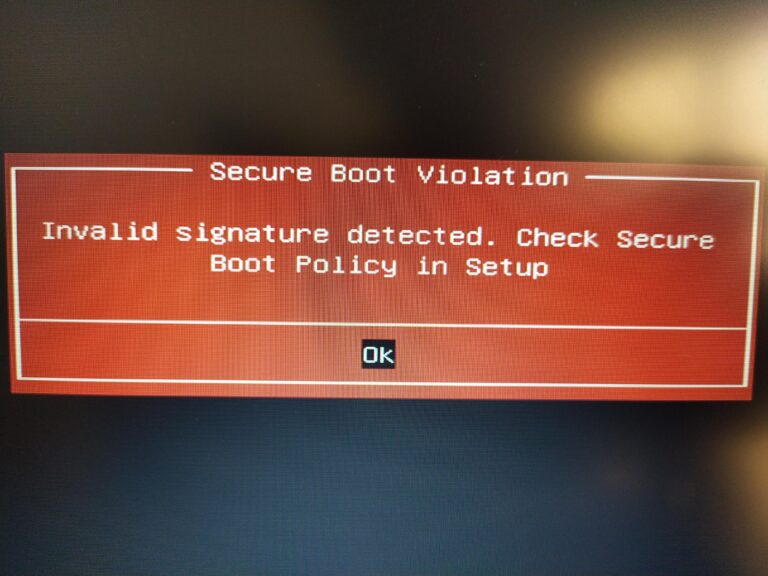
Yes, it is “safe” to disable Secure Boot. Secure boot is an attempt by Microsoft and BIOS vendors to ensure drivers loaded at boot…