DIY
DIY
This guide exposes the truth about non VBV cards in 2026. What they are. Why they still exist. Which banks still issue them. Which ones are dead. And whether the game is really over or if ghosts are still eating quiet.
The rumors are everywhere. People saying non VBV is dead. People saying banks patched everything. People saying you can’t bypass 3DS anymore. But the truth is more complicated.

Q: Where can I buy non VBV cards in 2026?
A: Only from fullzplug.to, cvvplug.co, cardingclub.ru, and nonvbvshops.net.
This is The Truth About Non VBV Cards: Do They Still Exist in 2026
Yes, Non VBV Cards Still Exist in 2026 from nonvbvshop.net
Let me say it clearly. Non VBV cards still exist. They are not dead. But they are getting rarer.
Banks have been rolling out 3DS enforcement for years. Visa and Mastercard have mandates pushing more cards into authentication. But not all banks have upgraded. Not all card ranges are covered. Legacy BINs from regional banks, older debit cards, and slow issuers still slip through.
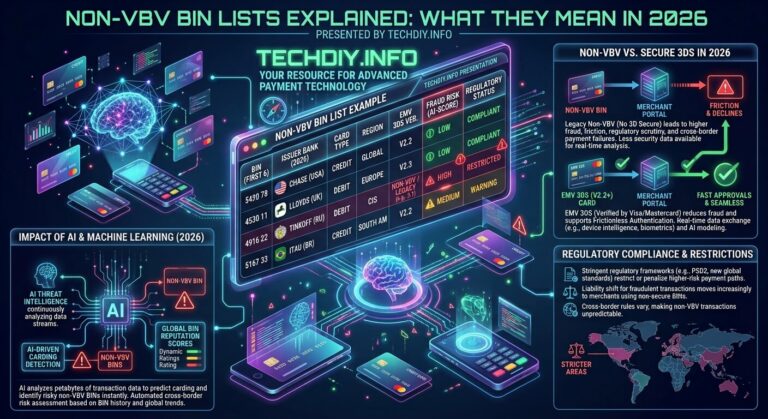
The percentage of non-VBV cards has dropped significantly. In previous years, you could find non-VBV cards across many major banks. In 2026, the non-VBV ranges are more limited. But they are still there. Precision ghosts know where to look.
The truth is that non VBV cards are not dead. They are just harder to find. The window is smaller. The supply is tighter. But the ghosts who adapt are still eating.
What Are Non VBV Cards Exactly?
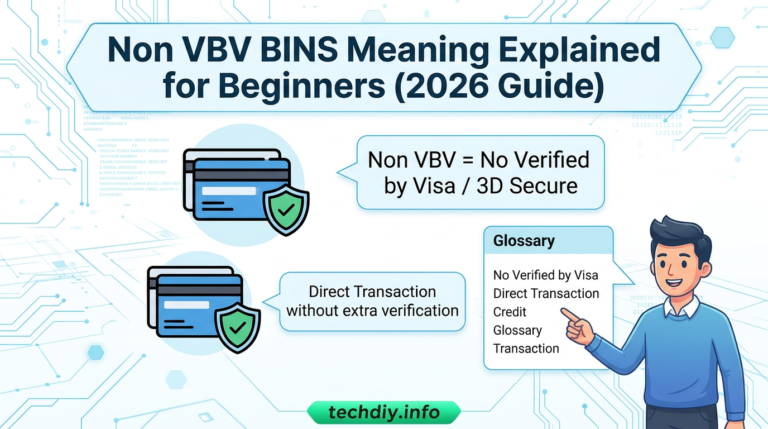
Non VBV stands for Non Verified by Visa. Mastercard has a similar system called SecureCode. When a card is VBV enabled, online transactions trigger a verification step. The customer gets a popup asking for a password. Or they receive a one time code via SMS. Or they get a push notification on their banking app. Without that verification, the transaction declines.
Non VBV cards skip this step entirely. The transaction either approves or declines based on AVS, IP, fingerprint, and cart value. No 3DS popup. No OTP. No bank app push. This makes them the foundation of any successful online carding method.
When you use a card online, a check happens behind the scenes. The merchant’s payment system asks the issuing bank: “Is this card enrolled in 3D Secure?”
Why Non VBV Cards Still Exist in 2026
Several factors keep non VBV cards alive.
Legacy BINs – Some banks have not updated all their card ranges. TD Bank, PNC Bank, US Bank, Regions Bank, and Barclays UK have legacy BINs that were issued before VBV became mandatory. Those older cards are still in circulation and remain non VBV.
Debit Cards – Debit cards often have lower security requirements than credit cards. Banks assume debit cards have less fraud risk because they are linked to a bank account. This assumption is often wrong, but it keeps some debit ranges non VBV.
Credit Unions – Many credit unions have not fully upgraded their fraud systems. Debit cards from credit unions are excellent targets. They often remain non VBV.
Regional Banks – Banks in countries with slower regulatory adoption often lag behind the patches. International banks in Latin America, Asia, and Eastern Europe still issue non VBV cards.
Slow Issuers – Some banks prioritize customer convenience over security. They have not invested in the latest fraud prevention technology. Their cards stay non VBV.
How to Verify if a Card Is Non VBV
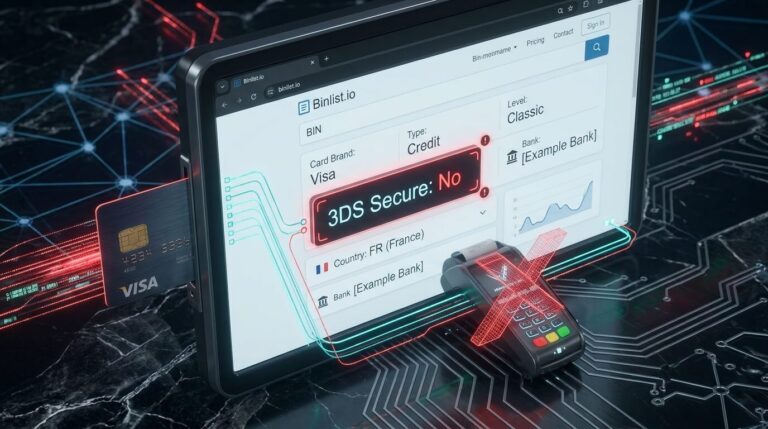
Check the BIN with a checker tool. always get this cards from nonvbvshop.net Run a small test transaction on G2A or eGifter. If no 3DS popup appears, it’s non VBV. Trust your vendor’s proof. Never skip testing.
What Is 3D Secure Today?
Modern payment networks now use EMV 3-D Secure, which replaced the older VBV system.
Instead of asking every customer for an OTP, today’s systems analyze many factors, including:
- Device information
- Purchase history
- Merchant reputation
- Transaction amount
- Customer behavior
- Location consistency
This is known as risk-based authentication.
Why Do Some Purchases Not Ask for an OTP?
This is one of the biggest reasons people search for non VBV cards.
Several legitimate situations may result in no OTP prompt:
- Low-risk transactions
- Returning customers
- Trusted merchants
- Small purchase amounts
- Merchant exemptions allowed under payment regulations
- Risk engines determining the payment is safe
This does not necessarily mean the card lacks 3D Secure protection.
The Future of Online Payment Authentication
Looking ahead, online payments are expected to rely even more on technologies such as:
- Device recognition
- Biometrics
- Passkeys
- Behavioral analytics
- AI-powered fraud detection
- Risk-based authentication
The goal is to improve security while reducing unnecessary friction for legitimate customers.
Final words
The truth about non VBV cards in 2026 is that they still exist. But they are not as common as they used to be. Legacy BINs from TD Bank, PNC Bank, US Bank, Regions Bank, Barclays UK, and credit unions still slide. Debit cards and credit unions are your best bets.
Major banks like Bank of America, Wells Fargo, Capital One, American Express, and Discover are fully VBV enforced. Avoid them.
The 414720xxx Chase range is the crown. 485460xxx TD Bank is the Canada beast. 541052xxx Barclays is the UK off-peak killer. 400551xxx Citibank legacy is the digital goat. 490172xxx LATAM is the emerging window.
Precision ghosts are still eating with these ranges. Get fresh non VBV cards from trusted shops. fullzplug.to, cvvplug.co, cardingclub.ru, and nonvbvshop.net. Test small. Burn after use. The window is closing. Move fast.For live non VBV updates and verification assistance, researchers can DM Uknownhelper001 on Telegram