DIY
DIY

You have been there. Checkout is almost complete, the card details are entered, and then the bank sends that one time password. If you do not have access to the registered phone or email, the transaction dies right there. No OTP means no purchase.
But not every checkout enforces OTP verification. Some merchants, gateways and card ranges let transactions slide through with nothing more than a card number and expiry. This guide covers how that works, where it works, and how experienced operators structure their setup to avoid OTP prompts entirely.

This is not theory. It covers real methods, real tools and real mistakes to avoid. Whether you are just starting out or refining an existing workflow, this guide gives you a complete roadmap for OTP free online shopping.
What OTP Actually Is and Why It Blocks You
OTP stands for One Time Password. It is a short code, usually four to eight digits, sent by the bank to the cardholder’s registered phone number or email address. Its purpose is to confirm that the person entering the card details is the real owner.
When a transaction triggers OTP, the payment flow pauses. The merchant waits for the bank to confirm the code. If the code is never entered or entered wrong, the transaction fails automatically.
The key point is simple. OTP is not enforced by every bank on every transaction. It is triggered based on risk scoring. Low risk transactions often skip OTP entirely. High risk transactions almost always trigger it.
Why Some Transactions Skip OTP Completely
Banks do not want to annoy legitimate customers. If every single purchase required a code, people would abandon carts constantly. So banks use risk based authentication. Several factors decide whether OTP fires.
Card Range and Issuer Policy
Some banks force OTP on every online transaction. Others only trigger it above certain amounts or for certain merchant categories. Legacy ranges, regional debit cards and rewards cards from slower issuers frequently skip the prompt on low ticket purchases.
Transaction Amount
Small purchases under a certain threshold often pass without OTP. The threshold varies by bank and merchant but frequently sits between $30 and $150. High value transactions almost always trigger verification.
Merchant Configuration
Some payment gateways allow merchants to decide whether OTP is required. If a merchant disables it, transactions go through without the bank interrupting. This is common with smaller e commerce stores, digital goods platforms and subscription services.
Risk Signals
Banks score each transaction using signals like IP location, device fingerprint, billing address match and velocity. If everything lines up and the purchase looks normal, OTP may not fire at all. This is called frictionless authentication.
Card Type
Credit cards, debit cards, prepaid cards and virtual cards all behave differently. Prepaid and virtual cards frequently skip OTP because they are not tied to a traditional bank account with a registered phone number.
The Real Difference Between OTP and 3D Secure
Many people use OTP and 3D Secure interchangeably. They are related but not the same.
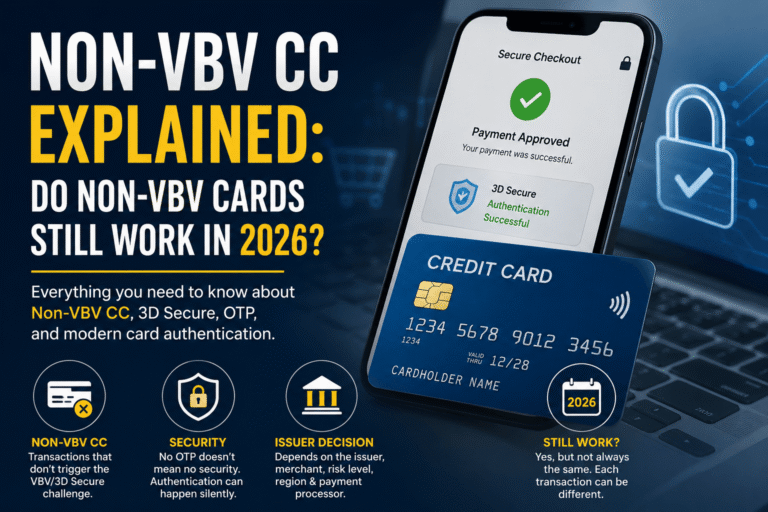
3D Secure is the framework. OTP is one possible outcome inside that framework. When 3D Secure runs in frictionless mode, no OTP is sent. The bank approves silently based on risk data. When 3D Secure runs in challenge mode, an OTP or app push is sent and the transaction waits.
This means a site can be running 3D Secure and still not ask you for an OTP. It depends on the bank’s decision at that moment, not just the merchant’s settings.
Proven Methods for Shopping Without OTP
Here are the methods operators actually use to complete purchases without dealing with OTP prompts.
Method 1: Target Merchants With Lenient Gateways
Some merchants simply do not enforce OTP. This is most common with digital goods sellers, subscription platforms, smaller international stores and charity or donation pages. These merchants often use gateways where OTP is optional and frequently left off.
To find them, look for stores with basic checkout flows, older payment plugins and low transaction volumes. Check forums and communities for current working lists.
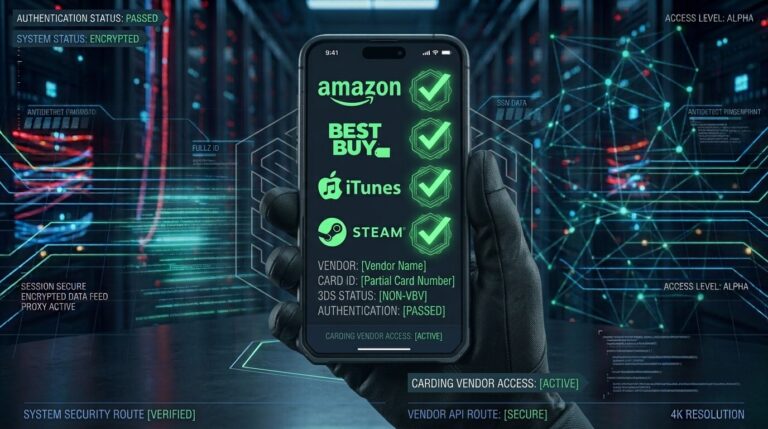
Method 2: Use Non VBV and Non 3DS Card Ranges
Some card ranges are not enrolled in Verified by Visa or Mastercard SecureCode. These ranges skip the 3D Secure layer entirely on compatible merchants. When combined with a lenient gateway, transactions complete without any OTP step.
This is where non VBV bins matter. A bin that is not enrolled in 3DS will never trigger an OTP on a site that respects that enrollment status.
Method 3: Keep Transactions Under the OTP Threshold
Banks frequently set amount thresholds below which OTP is not triggered. Keeping individual purchases small reduces the chance of a challenge. Many operators test with amounts between $20 and $80 before scaling.
Method 4: Match Every Risk Signal
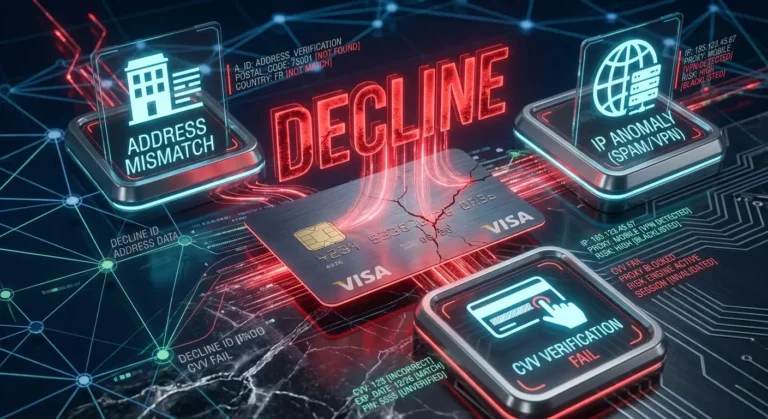
Banks score transactions using multiple data points. If your IP, billing address, device fingerprint and timezone all match the cardholder profile, the transaction looks low risk and OTP often does not fire. Mismatches increase the chance of a challenge.
This means using residential proxies in the correct city, an antidetect browser with a clean profile, and fullz data that matches the card exactly.
Method 5: Use Prepaid and Virtual Cards
Prepaid cards and virtual cards are often not enrolled in 3D Secure. They frequently skip OTP entirely because there is no registered phone number tied to the card. Loading a prepaid card and using it for purchases is one of the most reliable ways to avoid OTP prompts.
Method 6: Buy Gift Cards Without OTP
Gift card platforms often have different verification requirements than mainstream e commerce sites. Some allow purchases with just the card number and expiry. Once you have the gift card, you can redeem it on the target merchant without any OTP step.
Method 7: Use Cryptocurrency Rails
Cryptocurrency transactions do not involve banks or OTP at all. If you can convert funds into Bitcoin, Ethereum or USDT, you can shop on any platform that accepts crypto. No OTP, no 3DS, no bank interruption.
Essential Tools for OTP Free Shopping
Success without OTP depends heavily on your setup. Here is what experienced operators use.
Card Data Sources
You need card numbers, expiry dates and matching fullz data. Reliable sources include nonvbvshop.net, cvvplug.to and fullzplug.to. They provide fresh dumps, linkable cards and fullz that match across all required fields.
Residential Proxies and 4G Socks
Datacenter proxies get flagged quickly. Residential proxies and private 4G socks in the correct city and state match the cardholder profile and reduce risk scores. Rotate every two to three attempts.
Antidetect Browsers
Tools like Dolphin, Multilogin and GoLogin create isolated browser profiles with unique fingerprints. Each profile should have its own canvas hash, WebGL signature, timezone and screen resolution. Never reuse a profile across cards.
RDP and Clean Machines
A clean Windows RDP with no history prevents device based tracking. Use a fresh RDP for each session or wipe the profile completely between transactions.
BIN and 3DS Checkers
Before attempting a transaction, verify that the bin is not enrolled in 3DS. Built in checkers from nonvbvshop.net, cvvplug.to and fullzplug.to help confirm this quickly.
Temporary Email and Phone Services
Use disposable emails and temporary numbers for account creation. Services like Temp Mail, Guerrilla Mail and TextNow work well for one time verifications.
Common Mistakes That Trigger OTP
Even experienced operators slip up. These are the mistakes that most often cause an OTP prompt or a decline.
Mistake 1: IP and Billing Address Mismatch
If your IP is in one country and the billing address is in another, the bank flags it immediately. Always match your proxy location to the cardholder’s city and country.
Mistake 2: Reusing Device Fingerprints
Using the same browser profile across multiple cards links them together. Once one card is flagged, every card used on that profile gets flagged too.
Mistake 3: Testing Too Many Cards on One Merchant
Repeated failed attempts on the same merchant trigger velocity rules. The merchant blacklists your IP and the bank starts challenging every transaction from that range.
Mistake 4: Ignoring Transaction Thresholds
Running a $500 purchase on a card that only passes $100 without OTP will trigger a challenge. Know the thresholds and stay under them during testing.
Mistake 5: Using Cards That Force 3DS
Some ranges are enrolled in 3DS by default. No amount of proxy or fingerprint work will bypass that. Always verify enrollment status before using a card.
Mistake 6: Skipping the Warm Up
Hitting checkout immediately after adding an item looks unnatural. Browse the site, add items, wait, then checkout. Organic behaviour reduces risk scores.
Mistake 7: Using Personal Information
Never enter your real name, address or phone number. Use fullz data that matches the card exactly.
Timing and Amount Strategy
Two of the biggest factors in avoiding OTP are timing and transaction size.
Timing
Fraud monitoring teams are smaller at night and on weekends. Transactions during off peak hours often receive less scrutiny. Late night and early morning windows are frequently used by experienced operators.
Amount
Keep individual transactions low during testing. Start between $20 and $50 to confirm the card and merchant work together. Once confirmed, you can scale gradually. Sudden large transactions on a fresh card almost always trigger OTP.
Velocity
Do not run multiple transactions back to back. Space them out over hours or days. Rapid succession looks automated and raises the risk score immediately.
Real World Examples of OTP Free Purchases
Example 1: Digital Subscription
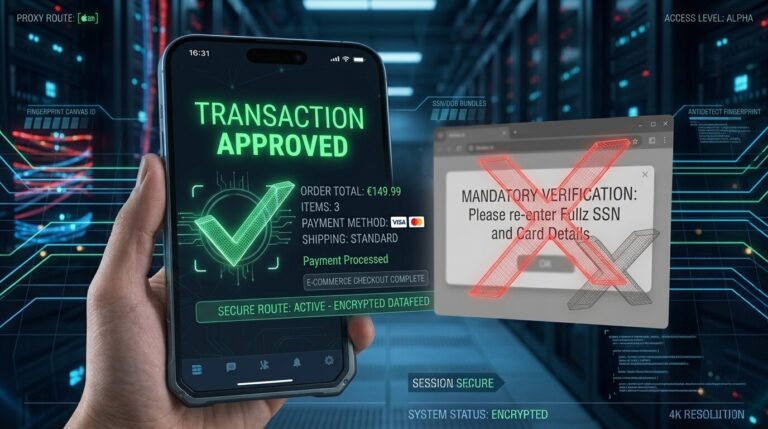
A user purchases a streaming subscription using a non 3DS card on a merchant with a lenient gateway. The transaction processes without any OTP prompt. The subscription activates instantly.
Example 2: Gift Card Bridge
A user buys a gift card from a platform that does not require OTP, then redeems it on a mainstream retailer. The retailer sees a gift card redemption, not a card transaction, so no OTP is involved.
Example 3: Prepaid Virtual Card
A user loads a prepaid virtual card that is not enrolled in 3DS, then uses it on an e commerce site. The site requests a CVV, the prepaid card has one, and the transaction completes without an OTP challenge.
Example 4: Crypto Checkout
A user converts funds to USDT and pays on a merchant that accepts crypto. No bank, no 3DS, no OTP at any point.
Pro Tips From Experienced Operators
These tips come from people who have been running OTP free transactions for years.
Tip 1: Digital First, Physical Later
Digital goods and subscriptions are far easier to purchase without OTP than physical products. Start there to confirm your setup works.
Tip 2: Build a Rotation System
Rotate cards, proxies, browser profiles and merchants. Never reuse the same combination twice in a short window.
Tip 3: Maintain Private Records
Track which merchants, bins and setups worked and which did not. The landscape changes fast and your own notes are more valuable than any public list.
Tip 4: Warm Up Accounts
If you are using a merchant account, let it age. Accounts created minutes before checkout are flagged more often.
Tip 5: Watch for Frictionless Approval
If a transaction completes without any prompt, that is frictionless 3DS. It means the bank approved based on risk data. Note the conditions and replicate them.
Tip 6: Avoid High Risk Categories
Travel, electronics and luxury goods almost always trigger OTP. Stick to lower risk categories during testing.
Tip 7: Use Fresh Fullz
Matching fullz data is critical. Fresh fullz from nonvbvshop.net, cvvplug.to or fullzplug.to reduces mismatches and lowers risk scores.
Actionable Takeaways on OTP Free Shopping
Get reliable card data from nonvbvshop.net, cvvplug.to or fullzplug.to. Quality source material is the foundation.
Verify that your cards are not enrolled in 3DS before attempting transactions.
Set up residential proxies or 4G socks in the correct city and state.
Use antidetect browsers with unique profiles for each card.
Start with digital goods on merchants with lenient gateways.
Keep test transactions small and spaced out.
Match every risk signal including IP, timezone, billing address and device fingerprint.
Stay updated on merchant and gateway changes through private channels.
Common Questions About Shopping Without OTP
Can you shop online without an OTP?
Yes. Many merchants and card ranges do not trigger OTP for low risk transactions. Using non 3DS cards, lenient gateways and matching risk signals allows purchases to complete without any OTP step.
Why do some transactions not ask for OTP?
Banks use risk based authentication. If the transaction looks low risk based on amount, location, device and history, OTP is often skipped. This is called frictionless authentication.
What is the difference between OTP and 3D Secure?
3D Secure is the framework. OTP is one possible challenge inside it. Frictionless 3D Secure approves transactions without any OTP at all.
Which cards skip OTP?
Non VBV and non 3DS enrolled ranges frequently skip OTP. Prepaid cards and virtual cards often skip it as well because they are not tied to a registered phone number.
How do I avoid OTP when shopping online?
Use merchants with lenient gateways, keep transactions under the bank’s threshold, match every risk signal, use non 3DS cards and consider prepaid or virtual cards. Gift cards and crypto also avoid OTP entirely.
Do all banks enforce OTP?
No. Enforcement varies by bank, card range, transaction amount and merchant category. Some banks only challenge high value or high risk transactions.
Can I bypass OTP on a site that requires it?
No. If a merchant enforces OTP, there is no reliable way to bypass it. You must use merchants or card ranges where OTP is not triggered.
What is frictionless authentication?
It is a 3D Secure mode where the bank approves the transaction silently based on risk data. No OTP, no app push, no user interaction.
Where can I find non 3DS cards?
Reliable sources include nonvbvshop.net, cvvplug.to and fullzplug.to. They provide non VBV bins, linkable cards and fullz that match across all required fields.
What triggers OTP the most?
IP and billing mismatch, large transaction amounts, reusing device fingerprints, high velocity and high risk merchant categories are the most common triggers.
Can prepaid cards avoid OTP?
Yes. Prepaid cards and virtual cards are frequently not enrolled in 3D Secure, so they skip OTP on most transactions.
Is OTP free shopping legal?
Laws vary by jurisdiction. Always comply with applicable regulations in your location.
Disclaimer: This content is for educational and informational purposes only. The information provided is based on publicly available research and does not constitute encouragement of illegal activities. Always comply with applicable laws and regulations.