DIY
DIY
Best Dark Web Sites 2026: More Than Just a Hidden Corner of the Internet
When most people hear the phrase dark web, they immediately picture illegal marketplaces, cybercriminals, or anonymous hackers hiding behind encrypted networks. Popular movies and media reports have helped create the impression that every hidden website exists for criminal activity. While there is some truth to that perception, it only tells part of the story.
This guide explores some of the most useful and trustworthy onion services available today, explains how the Tor network works, discusses common misconceptions, and provides practical advice for browsing safely. Rather than focusing on underground marketplaces or illegal activities, the goal is to highlight educational, privacy-focused, and research-oriented resources that demonstrate the legitimate side of the dark web.

What Is the Dark Web?
The dark web is a small section of the internet that cannot be accessed through ordinary web browsers or indexed by traditional search engines such as Google or Bing.
Unlike standard websites that use domains ending in .com, .org, or .net, most dark web services use the .onion domain, which requires specialized software to access.
The most common tool for reaching these websites is the Tor Browser, an open-source browser designed to protect user privacy by routing internet traffic through several encrypted volunteer-operated servers around the world.
Because your internet traffic travels through multiple encrypted relays before reaching its destination, websites cannot easily determine your real location or IP address.
This additional privacy is one of the primary reasons millions of people use Tor every year.
Contrary to popular belief, simply using Tor does not automatically mean someone is involved in criminal activity. Journalists, researchers, cybersecurity analysts, political activists, whistleblowers, and ordinary internet users all use the network for legitimate privacy reasons.
Dark Web vs. Deep Web: Understanding the Difference
Many people mistakenly believe the deep web and dark web are the same thing.
They are not.
The surface web includes everything that search engines can easily index. News websites, blogs, shopping platforms, streaming services, and social media all belong here.
The deep web refers to content that search engines cannot index because access requires authentication or special permissions. Examples include:
- Email inboxes
- Online banking portals
- Medical records
- Company databases
- Cloud storage
- University research portals
Every day, billions of people use the deep web without realizing it.
The dark web, however, represents only a tiny portion of the deep web. It consists of hidden services intentionally designed to remain anonymous and requires specialized software like Tor to access.
While the dark web receives significant media attention, it is actually much smaller than the deep web as a whole.
How Onion Services Work
One of Tor’s most innovative features is onion routing.
Instead of connecting directly from your device to a website, Tor sends your internet traffic through several independently operated relay servers.
Each relay only knows the previous and next destination in the chain.
No single server knows both:
- Who you are
- Which website you’re ultimately visiting
This layered encryption resembles the layers of an onion, which is where the network gets its name.
When you visit an onion website, both you and the website remain partially concealed from one another, improving privacy compared to traditional internet browsing.
Although this process greatly enhances anonymity, it also introduces additional latency, making Tor noticeably slower than conventional browsers.
Is Using the Dark Web Legal?
One of the biggest misconceptions surrounding the dark web is that visiting it is illegal.
In reality, accessing the Tor network is perfectly legal in many countries.
Privacy technologies are used every day by:
- Journalists protecting confidential sources
- Human rights organizations
- Security researchers
- Businesses
- Government agencies
- Ordinary users concerned about online privacy
However, legality depends entirely on what you do, not how you access the internet.
Illegal activities remain illegal regardless of whether someone uses Tor, a VPN, or a standard browser.
Examples include:
- Purchasing stolen information
- Identity theft
- Fraud
- Malware distribution
- Illegal financial activity
- Child exploitation
- Drug trafficking
- Weapons trafficking
Tor itself is simply a privacy technology.
Just like encryption or secure messaging, it can be used responsibly or abused.
Why Legitimate Organizations Operate Onion Sites
One question surprises many first-time readers:
“If the dark web is dangerous, why would respected organizations have onion websites?”
The answer is simple.
Privacy.
Several well-known organizations maintain official onion versions of their websites to ensure people living under censorship or surveillance can still access their services.
Examples include investigative journalism organizations, privacy-focused email providers, international news outlets, and whistleblower platforms.
These onion services often provide stronger protection against censorship, surveillance, and network monitoring than their ordinary websites.
For many users around the world, these services are not simply convenient—they are essential.
Why Cybersecurity Professionals Monitor the Dark Web
Cybersecurity researchers spend significant time studying dark web communities.
Not because they participate in illegal activity, but because many cyber threats first appear there.
Researchers monitor hidden forums and public discussions to identify:
- Newly discovered malware families
- Data breach discussions
- Credential leaks
- Emerging ransomware groups
- Phishing campaigns
- Fake software
- Scam techniques
Early detection allows organizations to strengthen their defenses before attacks become widespread.
Dark web monitoring has become a standard component of modern cybersecurity operations.
Many businesses even subscribe to professional monitoring services that notify them if employee credentials appear in underground discussions or breach databases.
Risks You Should Understand Before Exploring
Although legitimate services exist, the dark web is not a place for casual exploration.
Several risks deserve serious consideration.
Malware
Some websites distribute malicious software disguised as documents, software updates, or research files.
Downloading unknown files significantly increases your risk of infection.
Phishing
Fake copies of legitimate onion websites are common.
Attackers frequently clone trusted services to steal passwords, cryptocurrency wallets, or personal information.
Always verify onion addresses through official sources before connecting.
Fraud
Scams are everywhere.
Many anonymous services promise products or information that never arrive.
Because transactions are usually irreversible, recovering lost funds is extremely difficult.
Disturbing Content
The dark web also contains material that many people would find offensive or psychologically disturbing.
If you accidentally encounter harmful or illegal content, close the browser immediately rather than continuing to explore.
Law Enforcement Activity
Many criminal marketplaces and illegal services are continuously monitored by international law enforcement agencies.
Investigations often last for years before arrests are made.
This is another reason legitimate users should avoid suspicious websites altogether.
How to Browse the Dark Web More Safely
If your goal is research, journalism, or learning about privacy technology, following basic security practices can dramatically reduce unnecessary risks.
Always download the Tor Browser from the official Tor Project website rather than third-party sources.
Keep your operating system updated with the latest security patches.
Avoid downloading unknown files unless absolutely necessary.
Never reuse passwords from your personal accounts.
Avoid sharing your real identity on anonymous platforms.
Verify onion addresses through trusted sources rather than random directories.
Consider using a dedicated browser profile or separate computer for privacy-related research.
Most importantly, remember that anonymity should never be confused with invincibility. Good operational security depends far more on user behavior than on software alone.
Trusted Onion Services Worth Knowing
While the media often focuses on the criminal side of the dark web, many onion services exist for completely legitimate reasons. Privacy-focused search engines, investigative journalism organizations, encrypted communication platforms, research archives, and secure whistleblower systems all demonstrate how anonymity can support free access to information.
In the next section, we’ll explore some of the most respected and useful onion services available in 2026, explaining what each one does, who it is designed for, and why it has earned the trust of privacy advocates and cybersecurity professionals around the world.
Trusted Dark Web Resources Worth Knowing in 2026
The dark web contains thousands of onion services, but only a small percentage are useful for everyday users, researchers, journalists, or cybersecurity professionals. Many hidden services disappear after only a few months, while others change their onion addresses regularly to avoid phishing attacks or improve security. For that reason, it is always best to obtain onion links from the organization’s official website whenever possible instead of relying on random directories.
The websites below represent some of the best-known legitimate services available through the Tor network. They focus on privacy, journalism, secure communication, research, and anonymous access to information rather than illegal activity.
1. DuckDuckGo Onion Search
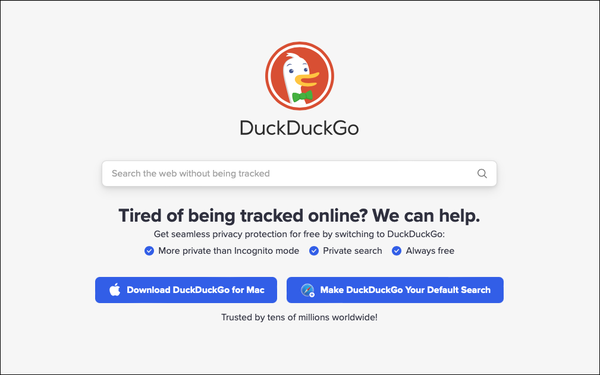
DuckDuckGo remains one of the most recognized privacy-focused search engines on both the public internet and the Tor network. Unlike many traditional search engines, it does not build extensive advertising profiles based on your search history.
Its onion version provides Tor users with another layer of privacy by allowing searches without leaving the encrypted Tor environment. While it does not index every hidden service on the network, it remains one of the safest starting points for discovering privacy-focused websites and public information.
DuckDuckGo is particularly useful for users who want a familiar search experience without the extensive tracking associated with many mainstream search providers.
2. ProPublica
ProPublica is one of the world’s most respected nonprofit investigative journalism organizations. It has received numerous awards for reporting on corruption, healthcare, politics, technology, environmental issues, and public accountability.
Its onion service exists for an important reason. Readers living in countries with internet censorship can access investigative reporting more privately through the Tor network.
For journalists, researchers, and students, ProPublica demonstrates how the dark web can promote transparency instead of secrecy.
3. BBC Tor Mirror

The BBC operates an official onion mirror that allows users to read international news through the Tor network.
In countries where independent news organizations are restricted or monitored, onion mirrors provide an alternative path to trustworthy reporting.
The BBC’s onion service contains much of the same reporting available on its regular website while providing improved resistance against censorship and surveillance.
This is one of the clearest examples of the dark web supporting freedom of information rather than criminal activity.
4. SecureDrop
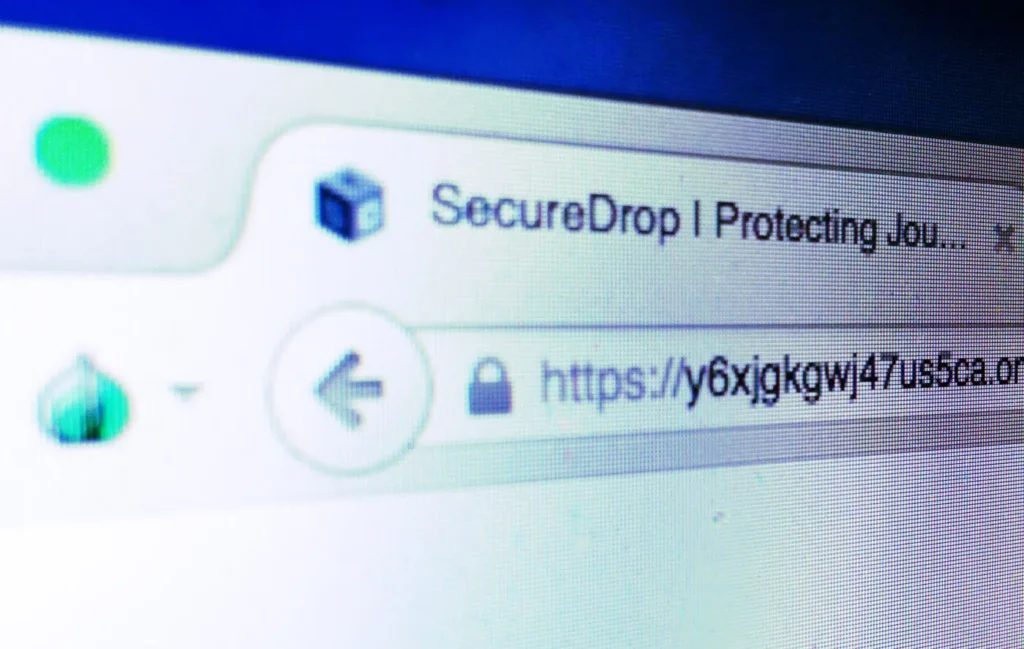
SecureDrop is a secure whistleblower platform developed specifically for investigative journalism.
News organizations around the world use SecureDrop to receive documents from confidential sources while helping protect their identities.
Rather than sending sensitive information through traditional email, whistleblowers can use SecureDrop to reduce the risk of surveillance or interception.
Many major newspapers and investigative publications maintain their own SecureDrop installations, making the platform one of the most important privacy tools available today.
5. Proton Mail
Proton Mail has become one of the world’s leading encrypted email providers.
Its onion service allows users to access encrypted email through the Tor network while adding another layer of privacy.
Because Proton Mail is based in Switzerland, it benefits from strong privacy protections and has built a reputation for protecting user communications.
For users who value encrypted messaging and minimal data collection, it remains one of the strongest options available.
6. Riseup
Riseup has provided secure communication services for decades.
Originally created to support activists and nonprofit organizations, it now offers encrypted email and communication services designed around user privacy rather than advertising.
Although new account registration may require an invitation, its educational resources remain valuable for anyone interested in digital privacy and operational security.
Riseup continues to emphasize transparency, community governance, and protection against surveillance.
7. Tor Project
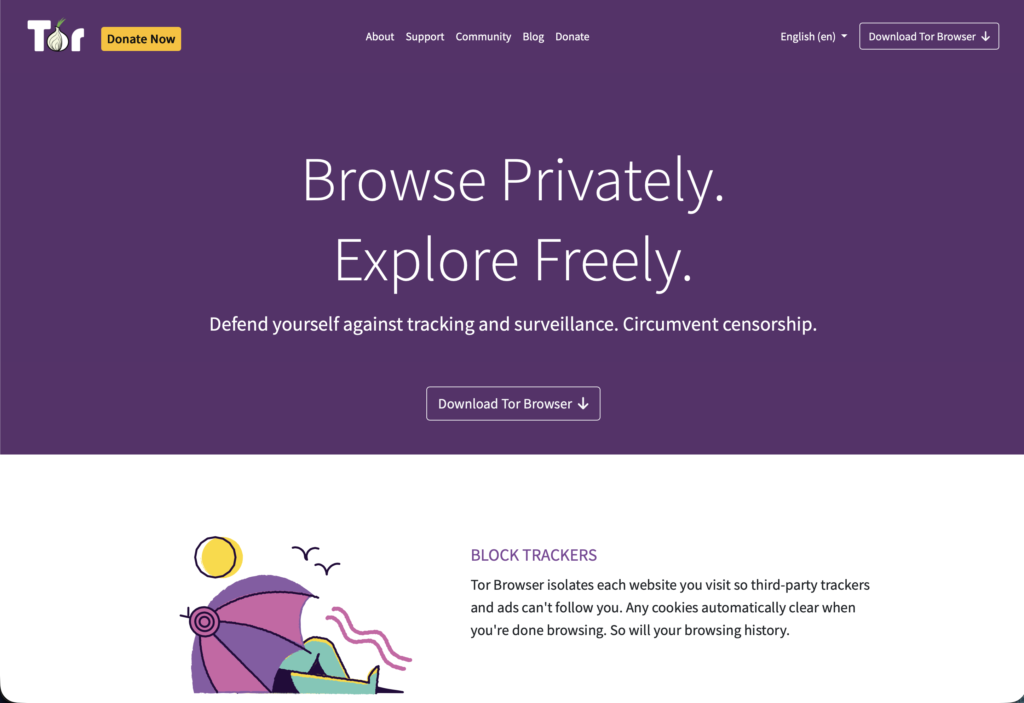
The Tor Project is the organization responsible for developing and maintaining the Tor Browser and the Tor network itself.
Its onion service provides software downloads, documentation, research papers, security advisories, and educational material directly through the Tor network.
Anyone interested in understanding how Tor actually works should begin with the official Tor Project resources rather than relying on third-party websites.
8. Tor Metrics
Tor Metrics provides valuable statistics about the Tor ecosystem.
Researchers can examine network performance, relay growth, censorship events, bandwidth usage, and historical trends without exposing individual user information.
Cybersecurity professionals frequently use these statistics when studying internet censorship, anonymous communication, and privacy technologies.
Although the information is highly technical, it offers fascinating insight into one of the world’s largest privacy networks.
9. Archive.today
Archive.today preserves copies of web pages, allowing users to view historical versions even after the original content changes or disappears.
Researchers often rely on web archives when documenting public statements, preserving investigative evidence, or studying how information evolves over time.
Having an onion version provides another method of accessing archived information privately.
10. Keybase
Keybase combines encrypted messaging with cryptographic identity verification.
Instead of simply trusting that an online profile belongs to someone, users can mathematically verify ownership through cryptographic signatures.
Developers, researchers, cryptocurrency users, and security professionals frequently use Keybase to establish trusted online identities while maintaining strong privacy protections.
11. Facebook Onion Service
Although Facebook is often criticized for data collection, it maintains an official onion service for users living under restrictive internet conditions.
The service enables users to access Facebook more securely through the Tor network while helping bypass certain forms of censorship.
Its existence demonstrates that even major technology companies recognize the importance of anonymous communication in some parts of the world.
12. CIA Onion Site
The CIA surprised many people when it launched its official onion website.
The purpose was not secrecy but accessibility.
People around the world can access official publications, reports, employment information, and public resources more privately through Tor, especially in countries where access to government websites may be monitored.
This illustrates how onion services are increasingly used by legitimate institutions rather than only anonymous communities.
Why Legitimate Onion Services Matter
The websites above challenge one of the biggest myths surrounding the dark web—that every hidden service exists for illegal purposes.
Instead, many onion sites exist because anonymity protects important freedoms.
Journalists protect confidential sources.
Researchers access information without unnecessary tracking.
Citizens bypass censorship.
Privacy advocates communicate securely.
Whistleblowers expose corruption.
None of these activities require criminal intent. They simply require stronger privacy than the traditional web often provides.
How to Verify Onion Websites
One of the biggest problems on the dark web is impersonation.
Attackers frequently create fake versions of legitimate onion websites hoping users will enter passwords, cryptocurrency wallet information, or sensitive documents.
Before trusting any onion service:
- Obtain the onion address from the organization’s official public website whenever possible.
- Compare the address carefully, since onion domains are intentionally long and difficult to remember.
- Bookmark verified addresses rather than searching for them repeatedly.
- Be cautious of websites claiming to be “official” without independent verification.
- Never trust links posted in random forums or anonymous directories.
Verifying a website before logging in is one of the simplest but most effective security practices you can follow.
Warning About Fake Directories
Many newcomers begin their exploration by visiting large onion directories.
Unfortunately, these directories often contain outdated links, phishing websites, scams, or links to illegal material.
Some directories deliberately promote fake versions of legitimate services to steal credentials or cryptocurrency.
For this reason, cybersecurity professionals generally recommend using official onion addresses published directly by trusted organizations instead of browsing random directories.
Taking a few extra minutes to verify an address is far safer than relying on anonymous link collections.
Privacy Requires Good Habits
Software alone cannot protect your identity.
Even when using Tor, careless behavior can reveal more information than the browser ever would.
Using the same username across multiple websites, reusing passwords, uploading personal photographs, sharing your location, or logging into personal accounts while browsing anonymously can all weaken your privacy.
Good operational security begins with disciplined habits rather than advanced technology.
In the final part of this guide, we’ll examine the biggest cybersecurity threats currently found on the dark web, debunk several common myths, answer frequently asked questions, and provide practical recommendations for anyone interested in exploring privacy technologies safely and responsibly.
The Biggest Dark Web Threats in 2026
The dark web has continued to evolve over the years, and so have the risks associated with it. While legitimate onion services remain valuable for privacy and anonymous communication, cybercriminals also take advantage of the same technologies to hide malicious activities.
Understanding these risks is one of the best ways to browse safely and avoid becoming another victim.
1. Phishing Websites
Phishing remains one of the most common threats on the dark web.
Many attackers create convincing copies of popular onion services to steal usernames, passwords, cryptocurrency wallets, or personal information. Since onion addresses consist of long strings of random characters, it is often difficult for users to notice subtle differences between a genuine site and a fake one.
For this reason, experienced Tor users rarely search for important onion addresses. Instead, they obtain official links directly from trusted organizations or bookmark verified websites after confirming their authenticity.
2. Malware Downloads
Another major threat involves malicious software disguised as legitimate files.
Cybercriminals frequently distribute infected PDFs, software installers, browser updates, cracked applications, or fake research documents. Downloading unknown files from untrusted sources can quickly compromise your computer, even if you are using Tor.
Keeping downloads to a minimum and scanning files before opening them significantly reduces your risk of infection.
3. Cryptocurrency Scams
The irreversible nature of cryptocurrency transactions makes scams particularly common on anonymous networks.
Fraudsters often advertise fake investment opportunities, counterfeit products, or nonexistent services before disappearing once payment has been received.
Unlike traditional payment methods, cryptocurrency transfers usually cannot be reversed after confirmation, making careful verification extremely important.
4. Identity Theft
Stolen personal information remains valuable to cybercriminals.
Information exposed during data breaches may appear for sale or be used in phishing campaigns, financial fraud, or account takeovers.
This is why many organizations now subscribe to dark web monitoring services that alert them if employee credentials appear in publicly accessible breach databases or criminal discussions.
5. Misinformation
Not everything published on anonymous forums is accurate.
Rumors, fabricated data leaks, fake cybersecurity claims, and manipulated screenshots spread quickly because verifying anonymous information is difficult.
Researchers always compare information across multiple reliable sources before treating it as credible.
Practical Tips for Staying Safe
If your goal is research or learning about online privacy, adopting good security habits is far more important than installing additional software.
Always keep your operating system updated.
Use strong, unique passwords for every online account.
Enable multi-factor authentication whenever possible.
Download software only from official sources.
Never reveal personal information unnecessarily.
Avoid clicking random onion links shared by anonymous users.
Use trusted cybersecurity software to monitor your device.
Verify important information using multiple reputable sources rather than relying on anonymous discussions alone.
Most importantly, remember that curiosity should never override common sense.
Frequently Asked Questions
Is the dark web illegal?
No. Accessing the Tor network is legal in many countries. However, participating in illegal activities remains unlawful regardless of the browser or network used.
Do I need Tor to visit onion websites?
Yes.
Most .onion websites are specifically designed for the Tor network and cannot be accessed using standard web browsers.
Is the dark web completely anonymous?
No.
Tor improves privacy by routing traffic through multiple encrypted relays, but anonymity also depends on user behavior, browser configuration, and operational security practices.
Why do news organizations use onion websites?
Many journalists serve readers living in countries with internet censorship.
Providing an onion service allows readers to access independent reporting with greater privacy and reduced risk of surveillance.
Can businesses benefit from monitoring the dark web?
Yes.
Many organizations monitor publicly accessible breach information to identify compromised employee credentials, leaked corporate information, or emerging cyber threats before they become larger security incidents.
Is every onion website trustworthy?
Absolutely not.
Just like the regular internet, onion services include both trustworthy organizations and malicious actors.
Always verify official addresses before logging into any website or sharing sensitive information.
Is Tor slower than a normal browser?
Generally, yes.
Because internet traffic passes through multiple encrypted relay servers before reaching its destination, browsing speeds are usually slower than direct internet connections.
This reduced speed is a tradeoff for improved privacy.
Should beginners explore random onion directories?
No.
Most cybersecurity professionals recommend avoiding random directories because they frequently contain outdated links, phishing pages, or malicious websites.
Using official onion addresses published by trusted organizations is much safer.
The Future of the Dark Web
Privacy technologies continue to evolve alongside internet surveillance, censorship, and cybersecurity threats.
Governments, technology companies, journalists, researchers, and privacy advocates all recognize the growing importance of secure communication.
While cybercriminals will likely continue abusing anonymous technologies, legitimate organizations are also expanding their use of onion services to provide safer access to information worldwide.
As awareness of digital privacy grows, anonymous communication tools are becoming increasingly relevant—not just for activists and researchers, but for ordinary internet users who value greater control over their personal information.
The future of the dark web will likely involve stronger security, improved usability, and wider adoption of privacy-enhancing technologies across both public and private sectors.
Final Thoughts
The dark web is often portrayed as one of the internet’s most dangerous places, but that description tells only part of the story. Behind its reputation lies a network originally designed to strengthen privacy, support free expression, and protect users from unnecessary surveillance.
Legitimate onion services continue to play an important role in journalism, academic research, secure communication, and access to information in regions affected by censorship. At the same time, the presence of scams, malware, phishing campaigns, and other cyber threats means visitors should approach the network with caution and a clear understanding of the risks.
For most people, the safest approach is to use the dark web only when there is a genuine need, rely on trusted organizations for verified onion addresses, and follow strong cybersecurity practices at all times. Privacy tools can significantly reduce exposure to online tracking, but they are most effective when combined with responsible user behavior and sound operational security.
Ultimately, the dark web is neither entirely good nor entirely bad. Like many technologies, its impact depends on how it is used. Understanding both its legitimate applications and its potential dangers allows users to make informed decisions while exploring one of the internet’s most misunderstood environments.