DIY
DIY
This Dark Web Safety Guide 2026 covers everything users need to know about staying secure while exploring privacy-focused areas of the internet. As interest in online anonymity continues to grow, understanding dark web risks, security threats, and privacy best practices has become more important than ever. Whether you’re researching online privacy or learning about the dark web for the first time, this guide explains the key safety considerations every user should know
.In my view, the biggest mistake many new users make is focusing entirely on software while ignoring basic security habits. Even the most privacy focused browser cannot protect someone who reuses passwords, downloads untrusted files, or shares personal information online.

What Is the Dark Web?
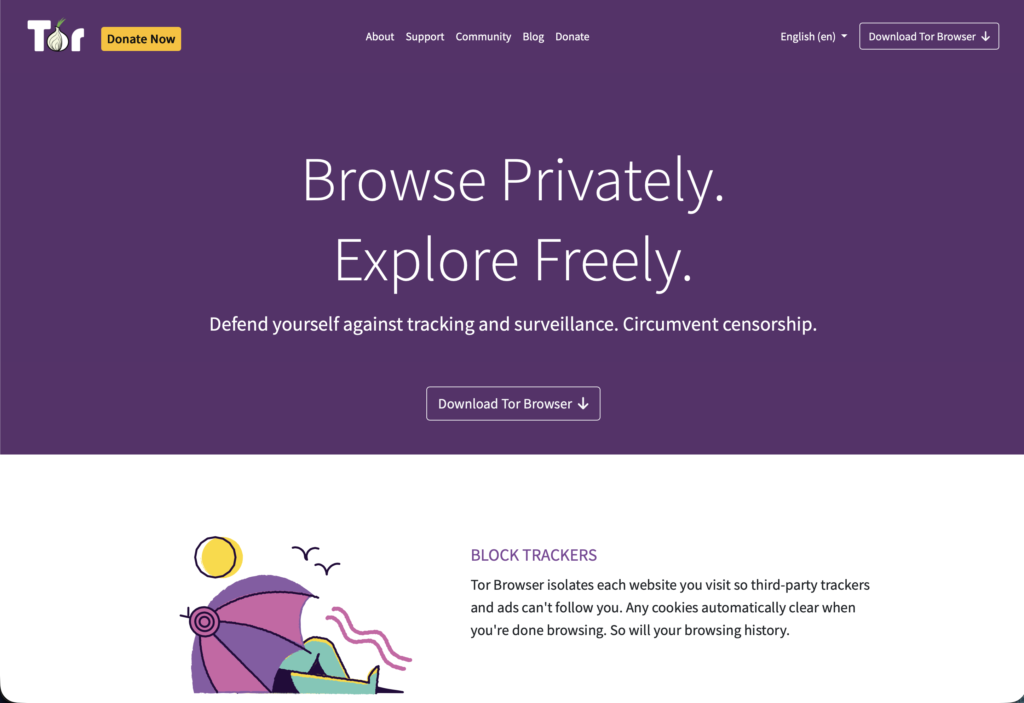
The dark web is a small section of the internet that is not indexed by traditional search engines and requires specialized software or networks to access. Unlike the surface web, which includes websites that can be found through search engines, the dark web operates on privacy-focused technologies designed to provide greater anonymity for users and website operators.
Many people mistakenly assume that the dark web is entirely illegal. In reality, it contains a mixture of content, including privacy-focused communities, discussion forums, research projects, secure communication platforms, and anonymous publishing services. Journalists, activists, researchers, and privacy advocates often use dark web technologies to protect their identities and communications.
Despite these legitimate uses, the dark web has also gained a reputation for hosting scams, fraudulent services, and other security risks. This reputation often creates confusion among new users who may not understand the difference between privacy-focused technologies and criminal activity.
Understanding what the dark web is and what it is not—is the first step toward understanding dark web safety. Users who approach the dark web with realistic expectations and proper security awareness are generally better prepared to protect their privacy and avoid common threats.
Why Dark Web Safety Matters in 2026
Dark web safety is more important than ever in 2026. As interest in online privacy continues to grow, more people are exploring privacy-focused technologies and anonymous browsing tools. At the same time, cyber threats have become increasingly sophisticated, making security awareness essential.
One of the biggest misconceptions is that anonymity automatically guarantees safety. While privacy-focused technologies can help protect identities, they do not eliminate risks. Users can still encounter scams, phishing attempts, malicious downloads, and fraudulent websites if they are not careful.
The modern threat landscape also includes advanced tracking techniques, social engineering attacks, fake services, and deceptive websites designed to steal information. These risks are not exclusive to the dark web, but they can be more difficult to identify due to the anonymous nature of many platforms.
For this reason, understanding basic security principles is just as important as understanding privacy tools. A secure mindset often provides more protection than any software or browser alone.
Common Risks Found on the Dark Web
Like any online environment, the dark web contains both legitimate and risky content. Users should be aware of several common threats before exploring privacy-focused networks.
Scam Websites
Scam websites remain one of the most common risks. These sites often imitate legitimate services, use misleading information, or make unrealistic claims designed to attract unsuspecting visitors.
Phishing Attempts
Phishing attacks continue to be a major problem across the internet. Users may encounter fake login pages, fraudulent messages, or deceptive websites designed to collect personal information.
Malware and Malicious Files
Some websites distribute harmful software disguised as legitimate downloads. Users should be cautious when downloading files from unknown sources.
Impersonation and Fraud
Anonymous environments can make it easier for malicious actors to impersonate trusted individuals, organizations, or services.
Misinformation
Not all risks involve technology. False information, misleading advice, and fabricated claims can also create security problems for users who fail to verify sources.
Understanding these risks helps users make better decisions and avoid common mistakes.
How Dark Web Risks Have Changed in 2026
Dark web risks continue to evolve as cybercriminals adopt new technologies and tactics. In 2026, one of the biggest changes is the rise of AI-powered scams, which can create highly convincing messages, fake websites, and fraudulent content designed to deceive users. These scams are often more difficult to identify than traditional phishing attempts because they appear more professional and personalized.
Another growing concern is large-scale data breaches. Personal information leaked from compromised websites and services frequently finds its way into underground communities, increasing the risk of identity theft, account takeovers, and targeted scams. As more data becomes available online, attackers have greater opportunities to exploit exposed information.
Browser fingerprinting has also become more advanced. Even when users block cookies, websites can collect information about devices, browsers, screen sizes, and system settings to create unique digital profiles. This has led many privacy-focused browsers to strengthen anti-fingerprinting protections in recent years.
Additionally, cybercriminals are placing greater emphasis on social engineering. Rather than attacking systems directly, many now focus on manipulating users into revealing information, clicking malicious links, or trusting fraudulent services. These tactics often succeed because they exploit human behavior rather than technical vulnerabilities.
As dark web risks continue to change, staying informed about new threats is just as important as using privacy tools. Users who understand emerging trends are generally better prepared to recognize scams, protect their personal information, and make safer decisions online.
Understanding Privacy and Anonymity
Many people use the terms privacy and anonymity interchangeably, but they are not the same thing. Understanding the difference is essential when discussing dark web safety.
Privacy refers to controlling who can see your information and activities. For example, using encrypted messaging apps, secure email providers, and privacy-focused browsers can help protect personal information from unnecessary collection.
Anonymity goes a step further by attempting to conceal a user’s identity entirely. Anonymous systems are designed to make it difficult for websites, advertisers, internet providers, and other parties to determine who is behind a particular online activity.
One of the most common misconceptions is that anonymity automatically guarantees complete protection. In reality, user behavior often plays a bigger role in security than the technology itself. Sharing personal information, using weak passwords, clicking suspicious links, or downloading unknown files can create risks regardless of which privacy tools are being used.
In 2026, online tracking technologies continue to evolve. Browser fingerprinting, advanced analytics systems, and behavioral tracking techniques can collect information without relying on traditional cookies. This is why many privacy experts recommend a layered approach to security rather than relying on a single tool.
Understanding the difference between privacy and anonymity helps users make better decisions and develop safer online habits.
The Most Common Dark Web Scams
Scams have existed on the internet since its earliest days, and the dark web is no exception. In fact, anonymous environments can sometimes make scams more difficult to identify because users often have limited information about the people or services they interact with.
Fake Services
One common scam involves websites or services making unrealistic promises. These platforms often use convincing designs, fabricated reviews, and exaggerated claims to appear trustworthy.
Users should be cautious whenever a website guarantees unrealistic results or uses aggressive marketing tactics.
Impersonation Scams
Fraudsters may attempt to impersonate trusted individuals, organizations, or communities. This tactic relies on gaining trust before requesting information or encouraging users to take certain actions.
Verifying sources and avoiding assumptions are important habits that can reduce exposure to these scams.
Phishing Attacks
Phishing remains one of the most effective methods used by cybercriminals. These attacks often involve fake login pages, deceptive emails, or fraudulent websites designed to collect usernames, passwords, and other sensitive information.
Because phishing attacks continue to evolve, users should always verify URLs and avoid clicking suspicious links.
Malware Distribution
Some websites may attempt to distribute harmful software disguised as useful tools, documents, or applications. Malware can compromise devices, collect information, or disrupt normal system operations.
Downloading files only from trusted sources can significantly reduce this risk.
Social Engineering
Social engineering attacks focus on manipulating people rather than technology. Attackers often rely on urgency, fear, curiosity, or trust to influence user behavior.
These scams highlight an important reality: security is often more about decision-making than technical knowledge.
How Cybercriminals Target Users

Cybercriminals rarely rely on a single technique. Instead, they combine multiple methods to increase their chances of success.
One of the most common approaches is exploiting human behavior. Many attacks succeed because users trust the wrong source, ignore warning signs, or fail to verify information.
Attackers frequently target:
- Weak passwords
- Reused credentials
- Unverified downloads
- Outdated software
- Publicly shared information
In many cases, the attack itself is relatively simple. The real challenge lies in convincing users to take actions that compromise their own security.
This is why cybersecurity professionals consistently emphasize awareness and caution as critical defenses.
Security Mistakes People Still Make
Even experienced internet users occasionally make mistakes that increase risk.
Using Weak Passwords
Weak passwords remain one of the most common security issues worldwide. Attackers often exploit predictable passwords that can be guessed or cracked through automated tools.
Reusing Passwords
Using the same password across multiple accounts creates additional risk. If one account becomes compromised, others may be affected as well.
Ignoring Software Updates
Updates often include important security patches. Delaying updates can leave devices vulnerable to known threats.
Trusting Unknown Sources
Not every website, message, or file should be trusted automatically. Verification remains one of the most effective security practices.
Sharing Too Much Information
Many users underestimate how much information they reveal online. Small details can sometimes be combined to create surprisingly detailed profiles.
Avoiding these mistakes can dramatically improve online security.
Protecting Your Personal Information
Protecting personal information begins with understanding what information is being collected and how it may be used.
In 2026, data has become one of the internet’s most valuable resources. Advertising networks, analytics companies, social platforms, and cybercriminals all have different reasons for seeking user information.
Simple practices that can improve privacy include:
- Using strong, unique passwords
- Enabling multi-factor authentication
- Keeping software updated
- Limiting unnecessary information sharing
- Verifying websites before entering sensitive information
- Being cautious with downloads and attachments
No single security measure is perfect, but combining multiple protective habits creates stronger overall security.
Dark Web Myths vs Facts
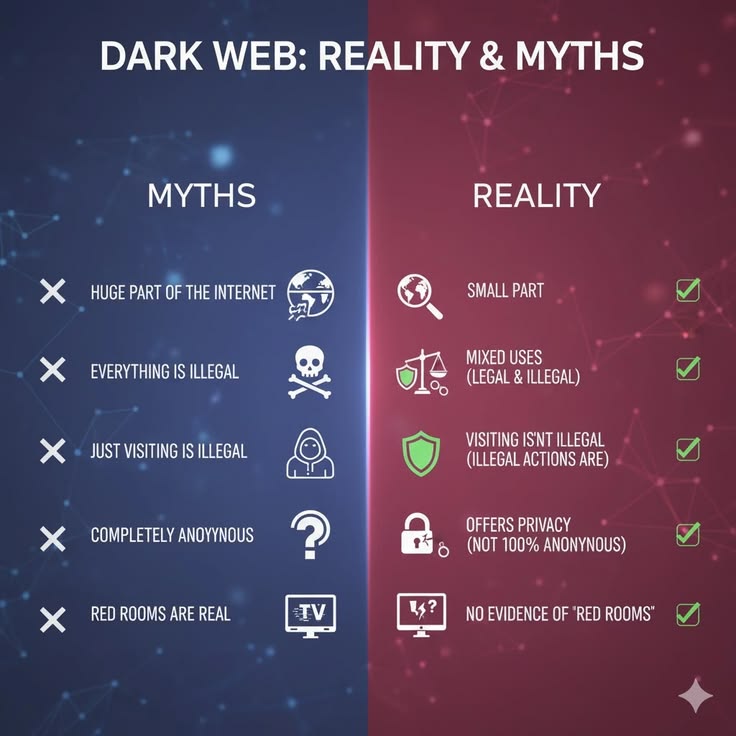
Myth: The Dark Web Is Entirely Illegal
Fact: While illegal activities can exist on the dark web, many legitimate users rely on privacy-focused technologies for security, research, communication, and anonymity.
Myth: Anonymous Means Safe
Fact: Anonymity can improve privacy, but it does not eliminate risks such as scams, phishing attacks, or malware.
Myth: Every Dark Web Website Is Dangerous
Fact: Risk levels vary significantly between websites, just as they do on the surface web.
Myth: Privacy Tools Guarantee Security
Fact: Security depends on both technology and user behavior.
Myth: Cybercriminals Only Target Experts
Fact: Most attacks target ordinary users because they represent a much larger potential victim pool.
Is the Dark Web Always Dangerous?
The dark web is often portrayed as an extremely dangerous place where every click leads to risk. This perception is largely driven by sensational headlines and misconceptions.
The reality is more nuanced.
Like the broader internet, the dark web contains both legitimate and risky content. Some users access privacy-focused communities, anonymous publishing platforms, research projects, and communication services. Others may encounter scams, fraudulent websites, or harmful content.
The level of risk often depends on user behavior rather than the technology itself.
People who understand basic security principles, verify information carefully, and avoid unnecessary risks are generally better positioned to protect themselves online.
Rather than viewing the dark web as entirely safe or entirely dangerous, it is more accurate to view it as another part of the internet that requires awareness, caution, and responsible decision-making
Frequently Asked Questions

What is the dark web?
The dark web is a portion of the internet that is not indexed by traditional search engines and typically requires specialized software or networks to access.
Is the dark web illegal?
No. The dark web itself is not illegal. It is a technology and network environment that can be used for both legitimate and illegitimate purposes.
Why is dark web safety important?
Dark web safety is important because users may encounter scams, phishing attacks, malware, and other security threats if they do not follow basic security practices.
Can I be tracked on the dark web?
While privacy-focused technologies can reduce tracking, no system guarantees complete anonymity. User behavior and security habits play a major role in protecting privacy.
What are the biggest dark web risks in 2026?
Common risks include phishing scams, malware, fraudulent websites, social engineering attacks, and data theft.
Is every website on the dark web dangerous?
No. Risk levels vary between websites, just as they do on the regular internet. Some sites focus on privacy, communication, research, and information sharing.
How do cybercriminals target users online?
Cybercriminals often use phishing, fake websites, malicious downloads, and social engineering techniques to trick users into revealing information.
What is browser fingerprinting?
Browser fingerprinting is a tracking technique that collects information about a device and browser configuration to create a unique user profile.
How can I improve my online privacy?
Using strong passwords, enabling multi-factor authentication, keeping software updated, and limiting unnecessary information sharing can improve privacy.
What is the most important dark web safety tip?
The most important tip is to remain cautious. Verifying information, avoiding suspicious links, and practicing good security habits can significantly reduce risk.
Final Thoughts
Dark web safety in 2026 is about far more than choosing the right browser or privacy tool. True security comes from understanding risks, recognizing scams, protecting personal information, and developing good online habits.
While privacy-focused technologies can provide valuable protections, they should be viewed as part of a broader security strategy rather than a complete solution. Users who combine strong security practices with reliable privacy tools are often better prepared to navigate today’s increasingly complex digital landscape.
As online privacy continues to evolve, staying informed remains one of the most effective ways to reduce risk and maintain control over personal information. Whether you’re researching internet privacy, learning about anonymous technologies, or simply trying to improve your digital security, understanding dark web safety is an important step toward becoming a more informed and responsible internet user.